

No post-match drug tests in Springboks v All Blacks series, reports say, as Saids points to World Rugby
No post-match drug tests were carried out during this year's four-Test Rugby's Greatest Rivalry series between South Africa and New Zealand, BBC Sport and British newspapers report. Saids says World Rugby had jurisdiction; World Rugby says all players are subject to year-round, no-notice testing. There is no suggestion that any player broke the rules.
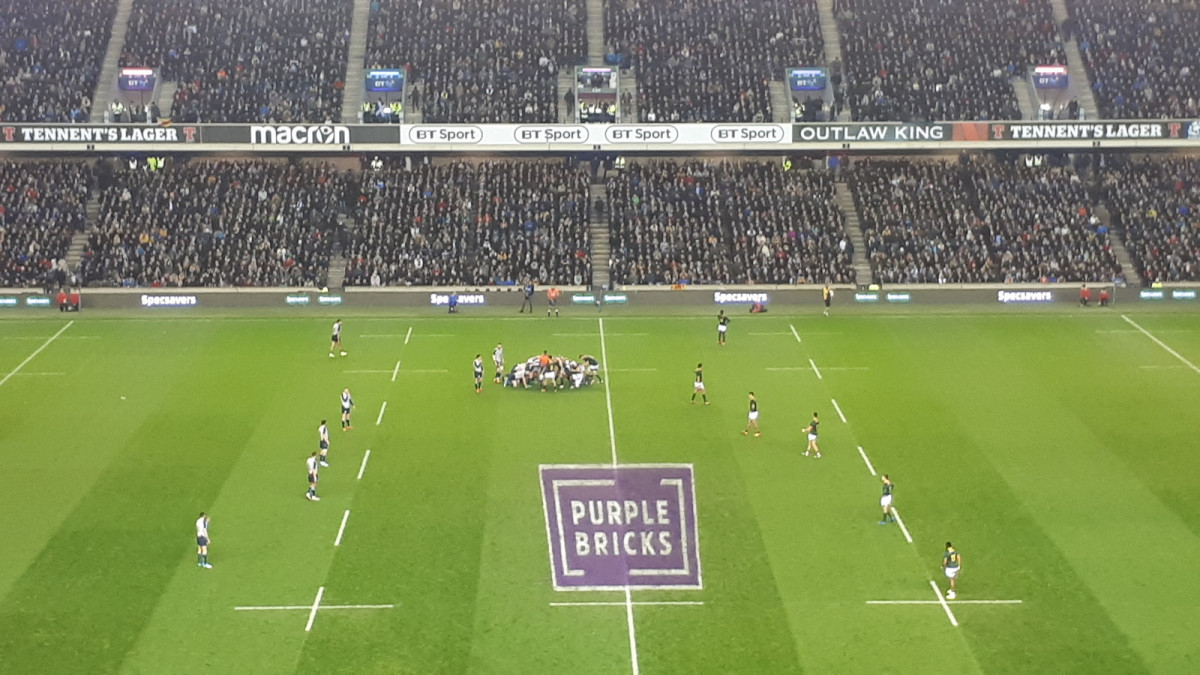
Players from South Africa and New Zealand were not given a single post-match drug test during this year's Rugby's Greatest Rivalry series, BBC Sport reports, following similar reports by The Times and The Independent in the UK. There is no suggestion that any Springbok or All Black player broke anti-doping rules.
What was reported
The four-Test series was played in August and September, with three matches in South Africa and the final Test in Baltimore in the United States. The Springboks won it 3–1. According to BBC Sport, the agreement for the series refers to World Rugby's anti-doping rules, but the post-match tests that are normal at most elite matches did not take place.
The South African Institute for Drug-Free Sport (Saids) could have collected samples after the matches played in South Africa, the BBC says. Saids referred questions to World Rugby, saying the global body had "jurisdiction" over the matches. Saids chief executive Khalid Galant was reported as saying that testing after every game was not mandatory, and that out-of-competition tests are harder for athletes to predict.
World Rugby's response
World Rugby did not confirm that there had been no post-match testing. A spokesperson said it runs a "risk-based no-notice anti-doping programme in line with the World Anti-Doping Agency code", and that all Rugby World Cup squad players are in a testing pool and can be tested anywhere, at any time, during the year.
Fewer tests in South Africa
BBC Sport reports that Saids carried out 225 tests in rugby union in the year to 31 March, compared with 753 a decade earlier. Its costs have risen since the World Anti-Doping Agency revoked the accreditation of the Bloemfontein laboratory in May 2025, meaning samples must be sent abroad.
South African rugby has had several doping cases in recent years, including bans for Aphiwe Dyantyi, Sbu Nkosi and Elton Jantjies, and an 18-month suspension for prop Asenathi Ntlabakanye this year, which a panel found was not intentional, Read Rugby Union reports.
Ahead of the final
Members of the Springbok squad were tested at their London hotel on Wednesday, according to a report by Ruck cited by Read Rugby Union. South Africa play France in the Nations Championship final on Sunday. See also: the Bok team for the final.
Sources
What's Your Reaction?
 Like
0
 Dislike
0
 Love
0
 Funny
0
 Wow
0
 Sad
0
 Angry
0

The Republic Times newsroom: independent, ad-free South African journalism. Story tips and corrections: info@republictimes.co.za.










Comments (0)