

Ghana on track to make its first home-grown vaccine by 2027, says National Vaccine Institute
Ghana’s National Vaccine Institute says the country remains on track to produce its first locally made vaccine, a tetanus-diphtheria shot, in 2027, as President John Mahama commissioned new research laboratories at the Noguchi Memorial Institute in Accra.
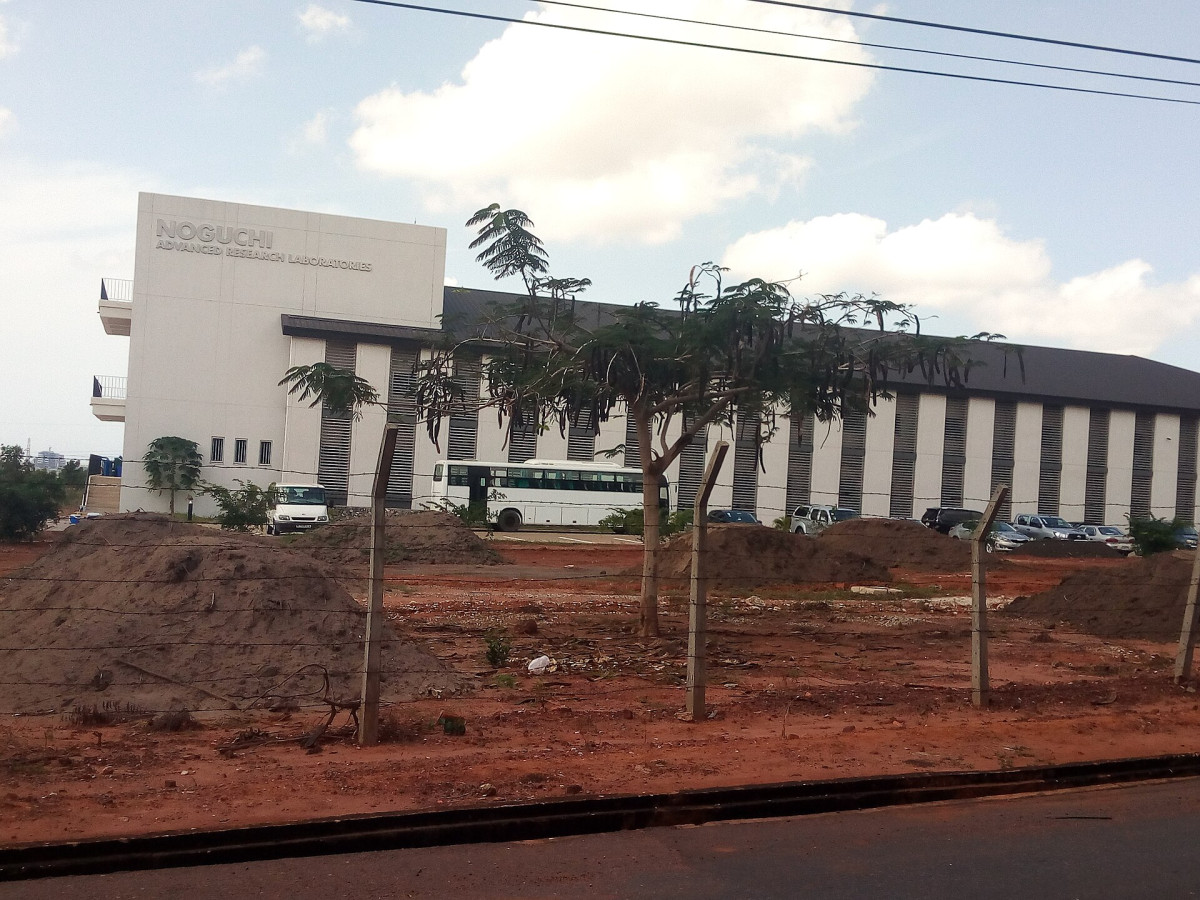
Ghana says it is on course to manufacture its first locally made vaccine next year, a step that would make it one of a small group of African countries producing their own vaccines.
The first product will be a tetanus-diphtheria (Td) vaccine, the National Vaccine Institute (NVI) said this week. NVI chief executive Dr Sodzi Sodzi-Tettey said the institute was “really on track” to meet its 2027 target, and that the first of three bulk substances needed to make the vaccine had already arrived at the premises of Atlantic Lifesciences, MyJoyOnline reports.
New labs in Accra
The update came as President John Mahama commissioned new facilities at the Noguchi Memorial Institute for Medical Research in Accra, including a vaccine research and development laboratory and a human identification (DNA) laboratory. According to 3News, the new mRNA and protein labs will serve as national facilities for scientists across the country. Ghana is one of five African countries working with mRNA technology for vaccine research.
Two Ghanaian companies, Atlantic Lifesciences and DEK Vaccines, are developing the products. The NVI says they need at least US$100 million to build and equip their plants. Alongside the Td vaccine, Ghana is also working on an anti-tetanus serum.
Trust in clinical trials
Mahama urged Ghanaians to support clinical trials. “Nobody would do the clinical trials for us to develop vaccines in our country,” he said, recalling a planned Ebola vaccine trial in the Volta Region that was abandoned after public fears. The NVI is working with the World Health Organization to strengthen Ghana’s trial system, with European Union support, 3News reported.
The bigger picture
Ghana spends about US$46 million this year on vaccines for child immunisation and plans to pay for all its own vaccines by 2030, when support from Gavi ends. The government has also set aside US$1 billion for pharmaceuticals under its economic plan and aims to cut the country’s reported 70% dependence on imported medicines.
The vaccine push builds on an earlier milestone. In May 2025, the NVI and Atlantic Lifesciences produced Ghana’s first biological product, a snake venom anti-serum.
The COVID-19 pandemic exposed how vulnerable African countries were when vaccine supplies were short, and local manufacturing has since become a continental priority.
More from Ghana: Backlash over Ghana’s new presidential jet.
Sources
What's Your Reaction?
 Like
0
 Dislike
0
 Love
0
 Funny
0
 Wow
0
 Sad
0
 Angry
0

The Republic Times newsroom: independent, ad-free South African journalism. Story tips and corrections: info@republictimes.co.za.









Comments (0)