

Mayor, speaker or municipal manager: who is responsible when your services fail, as new councils must sit by 27 November
As newly elected councils prepare for first sittings, coalition deals are focused on who becomes mayor. But the council, the speaker and the municipal manager each hold real power. Here is how responsibility is divided in South African municipalities, and why it matters when services fail.
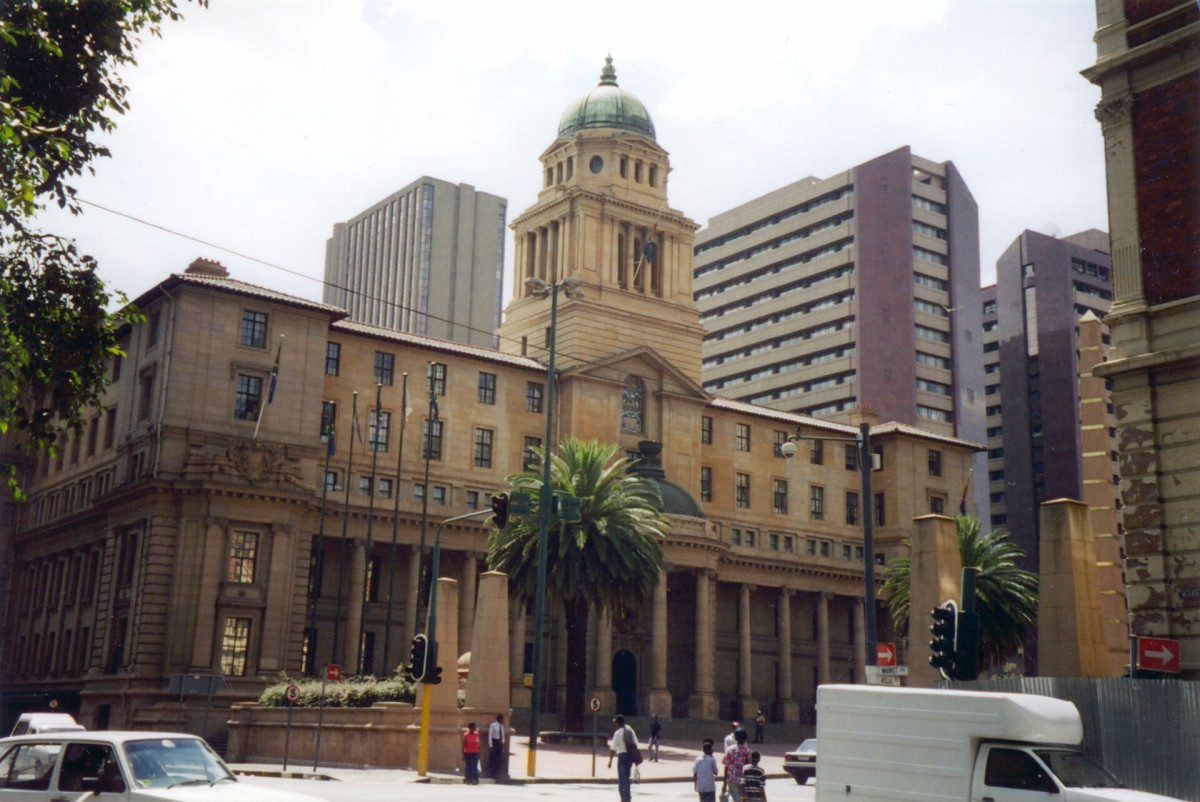
Coalition talks across the country are focused on one question: who gets to be mayor. But when water stops running or refuse is not collected, the mayor is only one of several people who should answer. Here is a short guide to who does what, as new councils prepare to take office.
The deadline
The Electoral Commission gazetted the names of councillors elected on 4 November on 13 November. Cooperative Governance Minister Velenkosini Hlabisa has said local and metropolitan councils must hold their first meetings within 14 days of that publication, “and no later than 27 November 2026”. District councils follow later, once their local municipalities have chosen representatives, SAnews reported.
Hlabisa has also warned that coalition instability spills into service delivery. “A dysfunctional council inevitably affects the operations of the administration, which negatively impacts service delivery to residents,” he said, according to IOL.
The council: the real decision-maker
The elected council approves the budget, passes by-laws, adopts policies and development plans, sets rates and taxes and approves loans. Some of these powers, including approving the budget and passing by-laws, cannot be delegated to anyone else. Councillors are also meant to oversee the executive on residents’ behalf.
The mayor: political leadership, within limits
A mayor’s powers depend on which system a municipality uses. Under the mayoral executive system, the council elects an executive mayor, who appoints a mayoral committee. Under the collective executive system, the council elects an executive committee chaired by the mayor. A plenary executive system is meant only for very small municipalities, where the full council exercises executive authority and the mayor chairs its meetings.
The speaker: the referee
Under section 37 of the Municipal Structures Act, the speaker chairs council meetings, keeps order, enforces the councillors’ code of conduct and makes sure the council meets at least once a quarter. The speaker also oversees ward committees and public participation. That is why the speaker’s post often features in coalition deals, as it did in Sol Plaatje this week.
The municipal manager: the person who makes it happen
The municipal manager is not elected. Under the Municipal Systems Act, he or she heads the administration, manages officials and implements the council’s integrated development plan, from planning and procurement to delivering services. When an approved project stalls, the municipal manager and the administration are usually the first place to look.
Why it matters
Residents who want answers should know where to direct them. Budgets and priorities are the council’s job, delivery is the administration’s, and the speaker is meant to ensure the council actually holds both to account. New councils will also inherit existing budgets, audit findings and unfinished projects from the term that has just ended.
Related: Hlabisa sets 27 November deadline for new councils; What new mayors and councillors will earn; ANC gets the mayor, DA the speaker in Sol Plaatje
Sources
What's Your Reaction?
 Like
0
 Dislike
0
 Love
0
 Funny
0
 Wow
0
 Sad
0
 Angry
0
The Republic Times newsroom: independent, ad-free South African journalism. Story tips and corrections: info@republictimes.co.za.










Comments (0)