

Sasol will shut its Sasolburg PVC and VCM plants by June 2027, ending local production of the plastic used in pipes and cables
Sasol has announced it will stop production at its vinyl chloride monomer (VCM) and polyvinyl chloride (PVC) plants at the Midland site in Sasolburg at the end of June 2027, after a review found the ageing assets were no longer economically viable. It plans to supply customers with imported PVC and will exit external caustic soda sales.
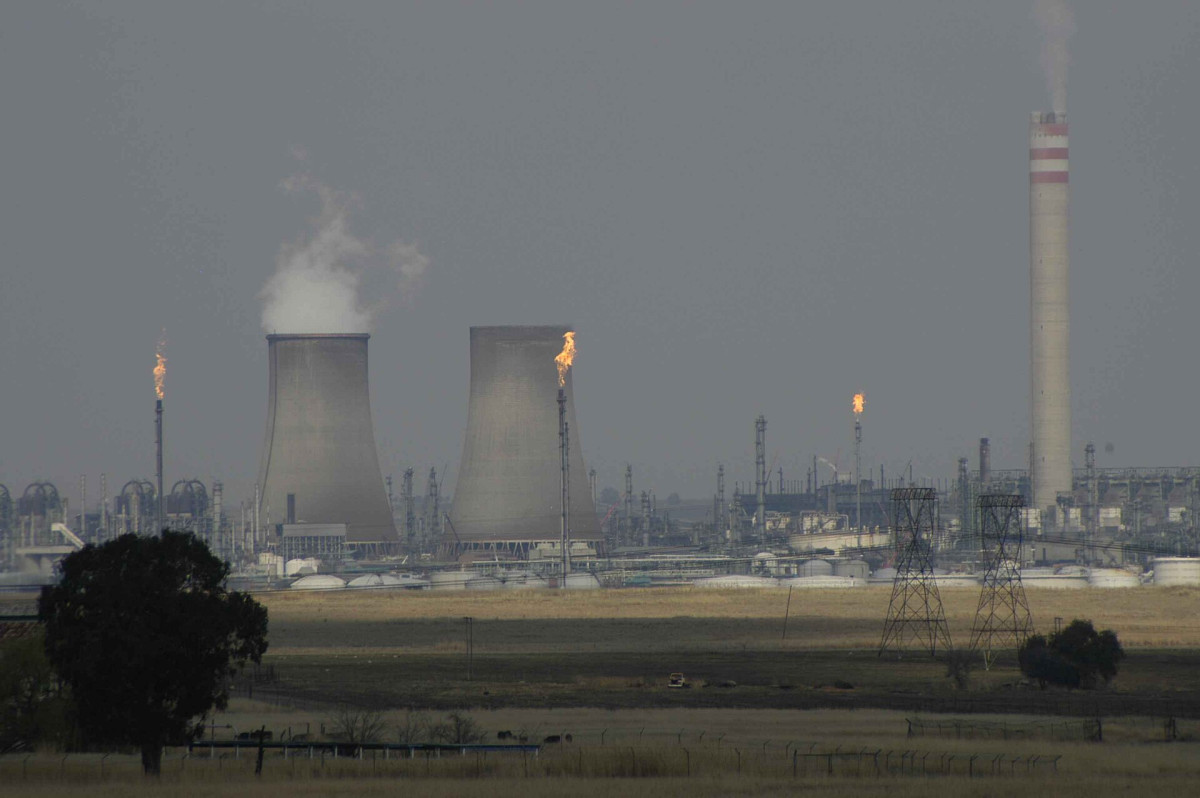
Sasol will close its vinyl chloride monomer (VCM) and polyvinyl chloride (PVC) plants at its Midland site in Sasolburg, in the Free State, with production due to stop at the end of June 2027, the company said in a statement.
Why Sasol is closing them
Sasol said a review of the chlor-vinyls value chain at its Sasolburg operations concluded that the ageing VCM and PVC assets were no longer economically viable and were hurting the group’s free cash flow. The decision is part of what the company calls its portfolio optimisation strategy, which focuses on strengthening core operations.
“Following this review, we have decided to discontinue operations at the VCM and PVC facilities,” said Simon Baloyi, Sasol’s president and chief executive.
What it means for customers
PVC is one of the most widely used plastics in construction and industry, found in water and sewer pipes, electrical cable insulation, window frames and flooring. Sasol said it would keep honouring its supply commitments to PVC customers until June 2027 and is developing an imported PVC supply arrangement to keep customers supplied after local production ends.
The closure will also affect related chemicals. Sasol said it will stop supplying caustic soda to external customers once the plants close. It will keep supplying chlorine and hydrochloric acid locally, and its calcium chloride supply is unchanged.
Jobs
Sasol did not say how many workers would be affected. Baloyi said the company’s priorities were employees’ wellbeing, business continuity, customers and a responsible transition, and that further updates would follow as supply arrangements are finalised.
Part of a wider trend
The announcement comes days after Continental said it would close its 80-year-old tyre factory in Gqeberha, another sign of the pressure on heavy manufacturing in South Africa.
Related: Opinion: what the Continental closure says about SA manufacturing
Sources
What's Your Reaction?
 Like
0
 Dislike
0
 Love
0
 Funny
0
 Wow
0
 Sad
0
 Angry
0

The Republic Times newsroom: independent, ad-free South African journalism. Story tips and corrections: info@republictimes.co.za.










Comments (0)