SAFARI-1’s clock is ticking: South Africa’s medical-isotope reactor has a 2030 licence, and its replacement is still at the survey stage
South Africa’s SAFARI-1 research reactor at Pelindaba produces a large share of the world’s molybdenum-99, used in tens of millions of medical scans. Its operating licence runs to 2030, but five years after Cabinet approved a replacement, Necsa is only now tendering for site surveys, MyBroadband reports.
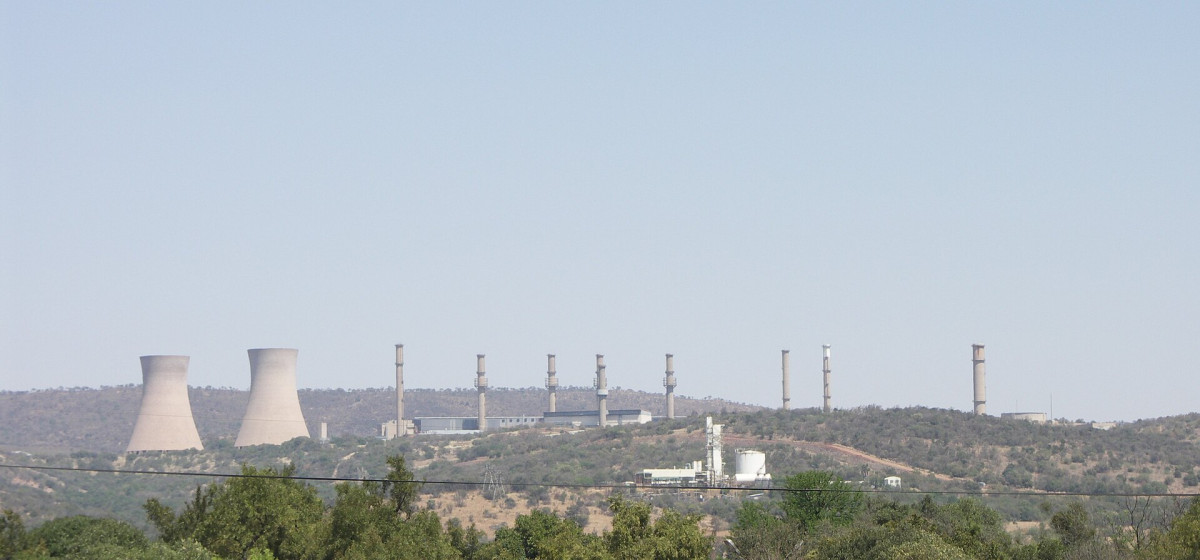
South Africa’s oldest nuclear reactor does not make electricity, but hospitals around the world depend on it. Now questions are growing about whether its replacement will be ready in time, MyBroadband reported on Sunday.
A small reactor with a global job
SAFARI-1, a 20MW research reactor at the Pelindaba site near Hartbeespoort in North West, went critical on 18 March 1965, making it the first nuclear reactor to operate in Africa. It is run by the Nuclear Energy Corporation of South Africa (Necsa).
Its main job is producing medical isotopes through Necsa subsidiary NTP Radioisotopes, above all molybdenum-99 (Mo-99), which is used to make technetium-99m, the tracer used in tens of millions of scans for cancer, heart disease and other conditions every year. According to the International Atomic Energy Agency (IAEA), SAFARI-1 supplies about 20% of the world’s Mo-99; NTP puts the figure closer to a third. It also produces iodine-131 and lutetium-177 and is used for materials testing and training.
The 2030 problem
SAFARI-1’s operating licence expires in 2030. Necsa says it can be extended, but only depending on engineering assessments, ageing management and inspections. An IAEA review in February 2026 found the reactor performing well but recommended stronger ageing management, and the agency plans a follow-up mission in 2028.
Cabinet approved a replacement multi-purpose reactor (MPR) more than five years ago. Necsa originally planned to start construction in March 2025. Instead, MyBroadband reports, feasibility studies were completed only in 2024/25, a tender for geotechnical and geophysical site surveys closes on 2 December 2026, and another for a seismic hazard assessment closes on 9 December. The planned closing date for the main engineering, procurement and construction contract is 15 May 2027, subject to the feasibility work.
Necsa has itself raised concern about delays, including in getting National Treasury approval to go to market. Its chief executive, Loyiso Tyabashe, told Reuters earlier this year that the agency wanted SAFARI-1’s shutdown and the new reactor’s commissioning to overlap, warning that “once customers are gone, they are gone.”
Why it matters
The draft environmental assessment for the new reactor warned that if SAFARI-1 is not replaced in time, South Africa would lose its ability to sustain isotope production, materials testing and nuclear research. Tyabashe’s warning is that customers lost to other suppliers may not come back.
Related: COP31 talks deadlocked | Open Secrets publishes Eskom coal contracts
Sources
What's Your Reaction?
 Like
0
 Dislike
0
 Love
0
 Funny
0
 Wow
0
 Sad
0
 Angry
0
The Republic Times newsroom: independent, ad-free South African journalism. Story tips and corrections: info@republictimes.co.za.









Comments (0)