
COP31 deadlocked deep into overtime as about 130 countries demand fossil-fuel language that Saudi Arabia opposes
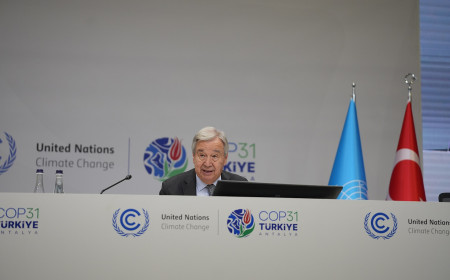
The COP31 climate summit in Antalya, Turkey, was deadlocked on Saturday night, more than a day past its scheduled end. About 130 countries want a reference to transitioning away from fossil fuels restored to the final text, which Saudi Arabia and other producers oppose, while the Africa Group is pushing for more adaptation money.
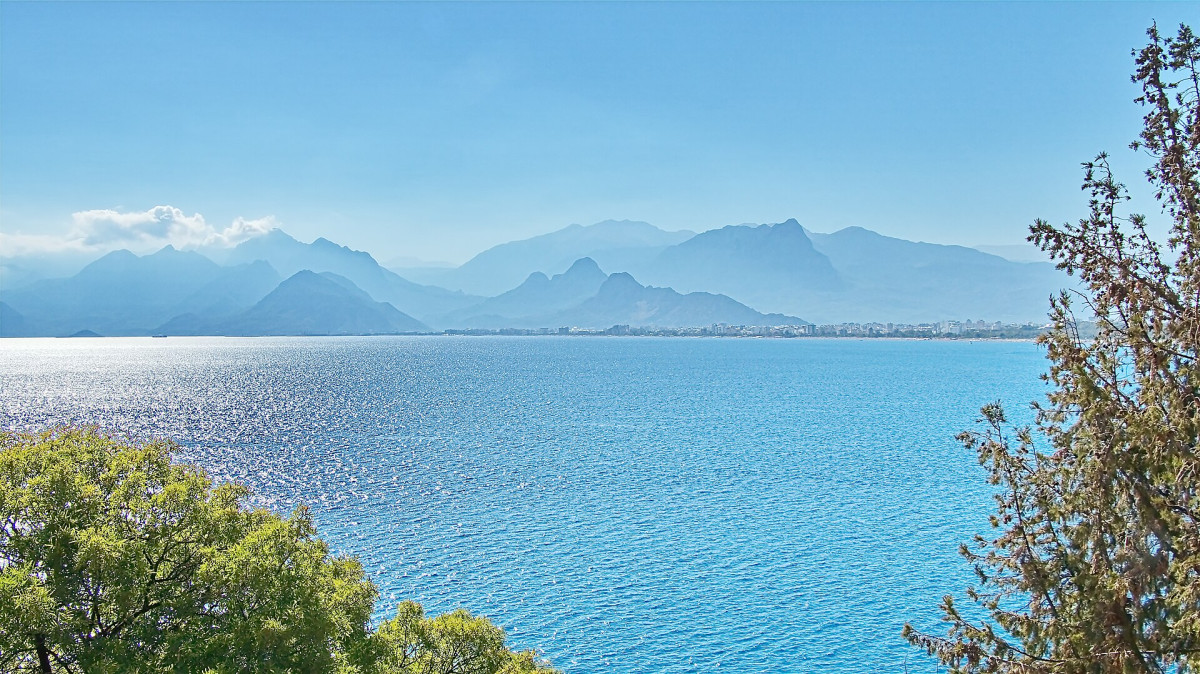
The United Nations climate summit in Antalya, Turkey, was stuck on Saturday night, more than 36 hours after it was due to end, with countries split over fossil fuels and money for poorer nations.
The talks were scheduled to close on Friday evening. Negotiators due to fly home on Sunday morning were moving their flights to Monday, the BBC reported, and the Guardian said discussions looked set to run into Sunday at least.
The fossil-fuel fight
A loose group of about 130 countries, including the EU, the UK, the least developed countries, small island states and many African nations, wants the final text to refer to the “transition away from fossil fuels” agreed at COP28 in Dubai in 2023. The phrase appeared in a first draft but was cut from a revised version on Thursday. On Saturday evening, members of the group marched to the presidency office to demand that it be put back, the Guardian reported.
Saudi Arabia and its allies oppose the wording and want strong support for carbon capture and storage, which critics see as a way to keep burning oil and gas. Panama’s environment minister, Juan Carlos Navarro, told the BBC that a COP decision that “does not even mention fossil fuels” would not be accepted. Australia’s Chris Bowen, who is leading the talks for the joint Australia–Turkey presidency, has argued that the summit is about putting earlier commitments into practice and moving to clean energy, the BBC said.
One compromise reported by the BBC would leave fossil fuels out in exchange for Saudi Arabia and other oil states signing up to a target of getting 35% of energy use from electricity by 2035. The Guardian said some countries were considering forcing an open meeting where opponents would have to state their objections publicly, a risky move that could collapse the talks.
Africa wants adaptation money
The second dispute is about finance. The Africa Group wants firmer commitments on money to help countries adapt to climate impacts, which the EU has previously resisted. An earlier draft target of $120 billion a year for adaptation by 2035 has been removed, the BBC reported.
“We did not come here to beg, we came here to claim what is rightfully ours,” said Ghana’s environment minister, Zanetor Agyeman Rawlings, who chairs the African Group of Negotiators. Mohamed Adow of the Power Shift Africa think tank said the meeting felt like it was “unravelling”.
What happens if there is no deal
UN climate decisions need consensus. If none is reached, the talks could be suspended and reconvened next year, which has happened only once since 1995, the BBC said. EU climate commissioner Wopke Hoekstra warned there would be “no deal” without enough ambition, while the UK’s Miatta Fahnbulleh said “there is a deal to be done”. The text, known as the Antalya Accords, could also become the first COP outcome to acknowledge that the 1.5°C warming goal has been missed.
Related: COP31 runs into overtime as African negotiators say ‘we didn’t come here to beg’ | Africa rejects any reopening of the Paris deal
Sources
What's Your Reaction?
 Like
0
 Dislike
0
 Love
0
 Funny
0
 Wow
0
 Sad
0
 Angry
0
The Republic Times newsroom: independent, ad-free South African journalism. Story tips and corrections: info@republictimes.co.za.








Comments (0)