

COP31 ends without a deal for the first time since Copenhagen as the EU and others reject a text that left out fossil fuels
The COP31 climate summit in Antalya, Turkey, broke up on Sunday without an agreed political deal after the European Union, Panama and the Marshall Islands rejected a final text that did not mention fossil fuels. It is the first time since Copenhagen in 2009 that UN climate talks have failed to end with a deal adopted by all.
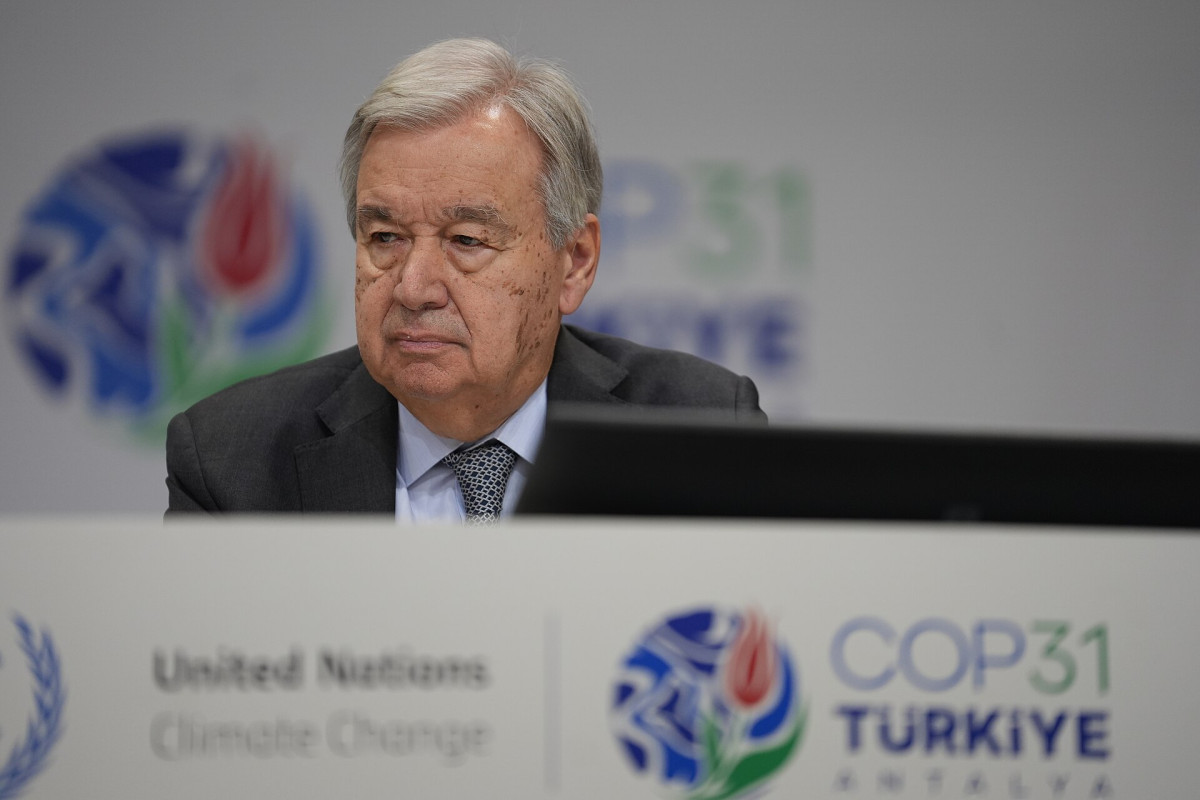
The COP31 climate summit in Antalya, Turkey, ended on Sunday without an agreed final deal after the European Union and several other countries rejected a proposed text that did not mention fossil fuels.
“It is clear that there are parties in this hall who oppose this text. We recognise that there is no consensus on this document. Therefore, these decisions have not been adopted,” COP31 president Murat Kurum told the closing plenary, almost two days after the talks were due to end.
The last time UN climate talks failed to end with a deal adopted by all was in Copenhagen in 2009, Reuters noted.
Why the deal failed
Speaking for the EU, Ireland’s climate minister Darragh O’Brien said the bloc would not endorse “a cover decision that does not even mention fossil fuels, the driver of climate change”. Adopting it would be “unconscionable”, he said.
Panama also rejected the text, and the Marshall Islands formally objected, saying it would “not compromise our future to benefit fossil fuel interests”, DW reported. Observers said Saudi Arabia and other oil producers had pushed to keep explicit fossil-fuel language out and carbon-removal technologies in. Russia backed leaving out stronger wording on fossil fuels.
Ghana and Pakistan defended the proposed deal as a necessary compromise. “We need to build bridges not barriers,” Pakistan’s negotiator said.
Finance for adaptation
Money was the other big split. Developing countries blamed the EU and other rich nations for refusing to scale up finance to help them adapt to droughts, heat and floods. The final text proposed further talks on “an implementation pathway for tripling adaptation finance by 2035”, but without a figure. It noted that developing countries need about $300 billion a year for adaptation until 2035.
What happens now
The failure to agree a political declaration does not cancel commitments made at earlier summits, including the Paris Agreement, or the rules that govern them. Outside the formal talks, about 75 countries, including China, signed up to a non-binding pledge to raise electricity’s share of final energy demand to 35% by 2035, DW reported.
COP31 was the first summit held after the UN confirmed in October that global warming is set to exceed the 1.5°C Paris threshold.
Related: COP31 deadlocked deep into overtime · African negotiators: ‘we didn’t come here to beg’ · Namibia races ahead in the Orange Basin as SA stalls
Sources
What's Your Reaction?
 Like
0
 Dislike
0
 Love
0
 Funny
0
 Wow
0
 Sad
0
 Angry
0
The Republic Times newsroom: independent, ad-free South African journalism. Story tips and corrections: info@republictimes.co.za.












Comments (0)