

Tshwane warns of low pressure and outages as Soshanguve and Mabopane reservoirs run critically low
The City of Tshwane says low incoming supply from Rand Water’s Palmiet system is draining reservoirs in Regions 1, 3 and 4, with Soshanguve L and Mabopane among the worst hit. Residents may face low pressure or interruptions while reservoirs recover.
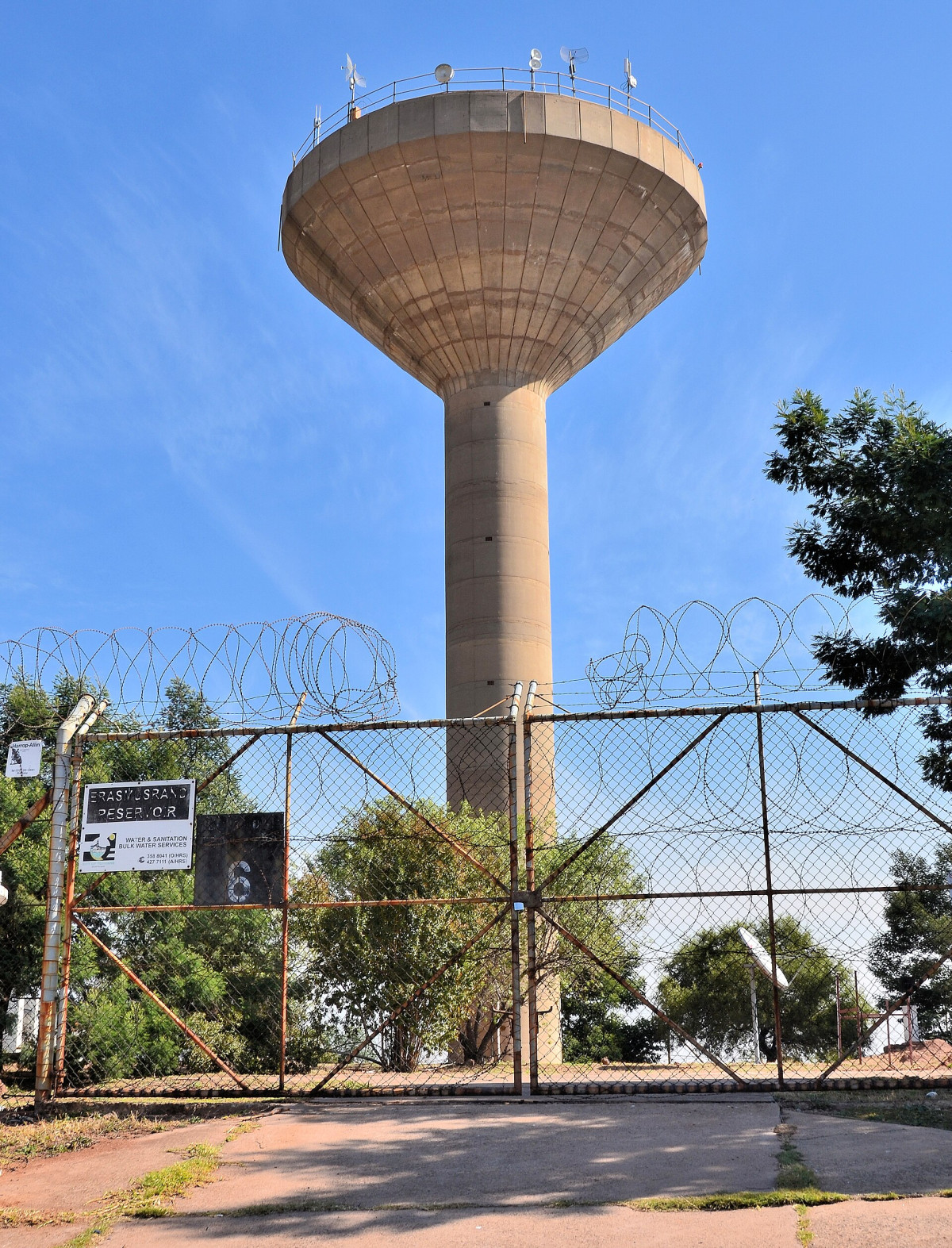
Residents in parts of Tshwane could face low water pressure or dry taps in the coming days after the City warned on Sunday that several reservoirs had fallen to critical levels.
In a statement reported by IOL, the City said its water system “remains under significant pressure”, because supply and pressure from Rand Water’s Palmiet system are low. Region 4 and parts of Regions 1 and 3 are affected.
Worst-hit areas
- Region 1: the Soshanguve L reservoirs and water tower are critically low, which hits high-lying areas first. Mabopane Main Reservoir is also critically low. Ga-Rankuwa Industrial, Klipgat and Kruisfontein are under pressure, and the Akasia system is being watched closely.
- Region 3: Atteridgeville LL is under pressure and Klapperkop Reservoir is low. The Heights reservoirs still hold some water, but the City warned that continued low inflow could affect the areas they supply.
- Region 2: supply is generally stable in Wonderboom, Magalieskruin, Sinoville and Montana, with the Roodeplaat treatment plant supporting Montana.
The City said teams were adjusting the network to share the available water and help reservoirs recover.
Other problems in the system
The warning comes on top of other water problems in the capital. Pretoria News reported that the City told residents of Temba Phase 1 and Phase 2 to boil tap water after tests found high levels of suspended particles, and that the Bronkhorstspruit treatment plant had been shut because the incoming water carried too much mud and silt to treat. Bronkhorstspruit’s troubles date back to 24 September, when the plant stopped chlorinating.
Tshwane has also had Level 2 water restrictions in place since 16 November, ordered by Gauteng’s Cooperative Governance department to protect the Rand Water system. The City has been asked to cut use by 200 million litres a day, and fines for breaking the rules start at R5,000, the paper reported.
What residents can do
Residents in affected areas can help reservoirs recover by using water sparingly, especially at peak times. Where taps run, storing a small amount of drinking water in clean, closed containers can help if pressure drops. Households in the Temba boil-water area should keep boiling water for drinking and cooking until the City says it is safe.
Related: Joburg’s Level 2 water rules explained · Opinion: early water restrictions sting, but Day Zero would cost more
Sources
What's Your Reaction?
 Like
0
 Dislike
0
 Love
0
 Funny
0
 Wow
0
 Sad
0
 Angry
0
The Republic Times newsroom: independent, ad-free South African journalism. Story tips and corrections: info@republictimes.co.za.






Comments (0)