

Western Cape water cuts explained: farmers lose 15%, towns 7%, and Cape Town’s Level 1 rules start on 1 December
The Department of Water and Sanitation is cutting allocations from the Western Cape Water Supply System by 15% for irrigation and 7% for domestic and industrial use. Separately, Cape Town’s Level 1 restrictions start on 1 December. Here is what changes and why.
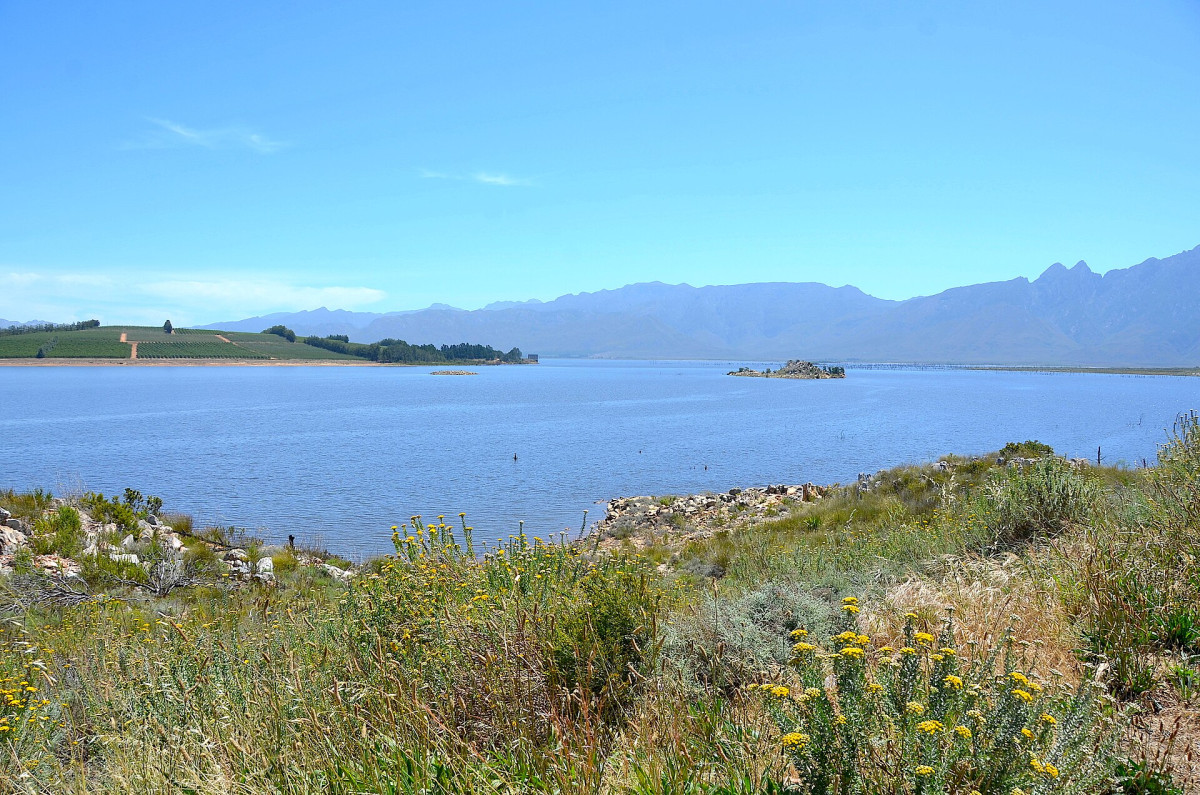
Western Cape farmers and Cape Town households are both being asked to use less water this summer, under two separate sets of measures that are easy to confuse. Here is what each one means.
1. Cuts to bulk allocations (national government)
Water and Sanitation Minister Pemmy Majodina announced on 16 November that allocations from the Western Cape Water Supply System (WCWSS), which serves Cape Town, farmers and towns such as Stellenbosch, Paarl, Franschhoek and Wellington, will be reduced as a precaution.
- Irrigation: down 15%, or about 29.6 million cubic metres a year. This applies to farmers who draw from the WCWSS, not to every farmer in the province.
- Domestic and industrial: down 7%, or about 27.2 million cubic metres.
- Total: roughly 56.8 million cubic metres, about 11% of the system’s allocations.
According to Farmer’s Weekly, the department said the system’s dams were at 72.5% on 2 November, against 84.4% a year earlier. That is below its preferred level of 80%, but still well above the levels seen in the 2016/17 drought. Rainfall in the past two seasons was about 723mm and 753mm, compared with a long-term average of 964mm, and forecasts of a strong El Niño raise the risk of more heat and evaporation. The department says the system can meet demand now, but the risk of shortages and compulsory restrictions rises sharply from 2027 if users keep drawing their full allocations.
Farmers’ concerns
Agri Western Cape says agriculture is carrying the largest share of the cuts, at a critical time for table and wine grapes, stone fruit, berries, vegetables and citrus. Its CEO, Jannie Strydom, said the sector supported responsible water management, but pointed out that 58% of South Africa’s primary agricultural exports come from the province and that farming there supports about 250,000 permanent jobs. He also said infrastructure maintenance, not only low rainfall, played a part in dam levels.
2. Cape Town’s Level 1 restrictions (from 1 December)
- Residents, visitors and businesses are asked to cut use by at least 10%, with a guideline of 85 litres per person per day.
- Gardens may be watered with municipal drinking water for no more than one hour on Tuesdays and Saturdays, before 09:00 or after 18:00. The same times apply to buckets and watering cans.
- The commercial and industrial tariff rises from R45.50 to R48.03 per kilolitre under Level 1, according to the City’s approved tariffs.
Cape Times reported that the city was using about 951 million litres a day in mid-November, 91 million litres above its 860 million-litre target, after hot weather pushed up demand.
Related: Opinion: early water restrictions sting, but Day Zero would cost more · Johannesburg’s Level 2 water restrictions
Sources
What's Your Reaction?
 Like
0
 Dislike
0
 Love
0
 Funny
0
 Wow
0
 Sad
0
 Angry
0
The Republic Times newsroom: independent, ad-free South African journalism. Story tips and corrections: info@republictimes.co.za.








Comments (0)