

Gauteng Health warns of extreme heat this festive season, as the Weather Service expects a hotter, drier El Niño summer
Gauteng Health and Wellness MEC Faith Mazibuko has urged residents to protect children, older people and outdoor workers from extreme heat over the festive season. The South African Weather Service expects a very strong El Niño to bring above-normal temperatures and below-normal rainfall to most of the country this summer.
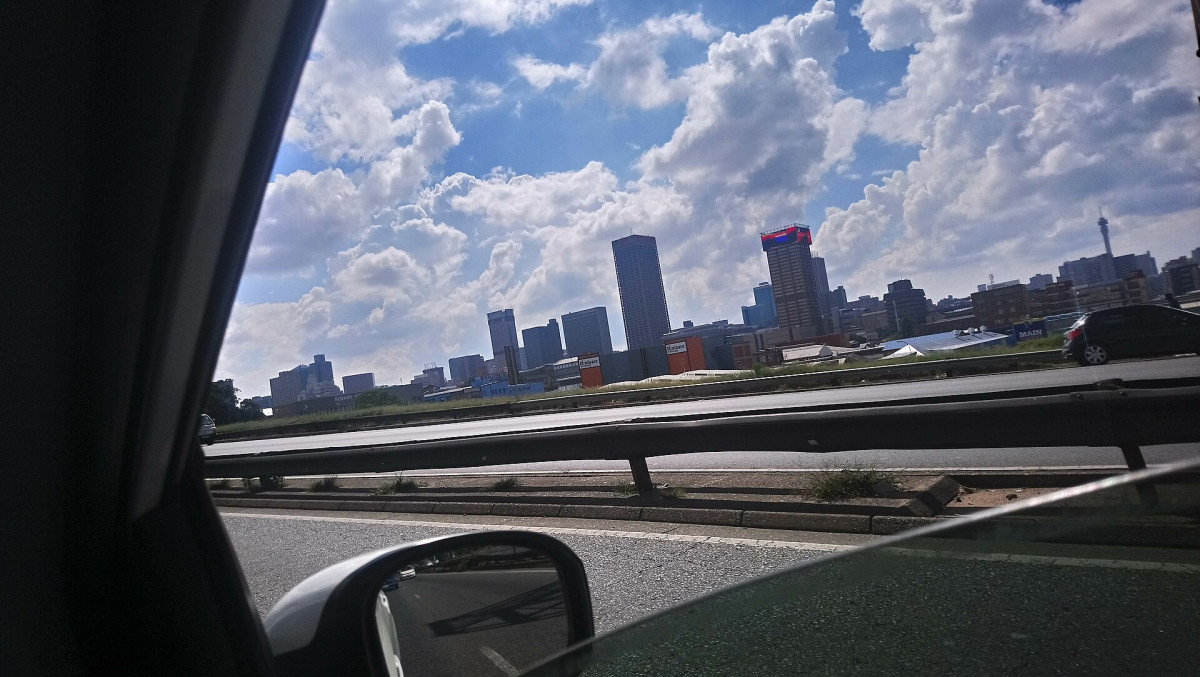
Gauteng’s health department has warned residents to prepare for extreme heat over the festive season, as South Africa heads into what forecasters expect to be a hotter and drier summer than usual.
In a message published by SABC News on Saturday, Gauteng Health and Wellness MEC Faith Mazibuko said the developing El Niño “raises concerns about extreme heat and its impact on our health”, just as schools close and families travel.
What the forecasters say
The South African Weather Service (SAWS) has said a very strong El Niño is developing in the Pacific Ocean. Its seasonal forecasts favour below-normal rainfall and above-normal temperatures over most of the country for October to December and for November to January, SAnews reported. SAWS has said the event, combined with global warming, will likely make 2027 the warmest year on record, and that heatwaves are likely to be more frequent if the expected dry conditions arrive.
The weather service has also stressed that not every El Niño brings drought. The very strong event of 1997/98 brought slightly above-normal rain to parts of the summer rainfall region, so it advises the public to follow monthly forecast updates.
Who is most at risk
Mazibuko said babies and young children, older people, pregnant women, people with chronic illnesses and outdoor workers face the greatest risk. Heat can cause dehydration, heat exhaustion and heatstroke, and can worsen conditions such as hypertension, diabetes, heart disease, asthma and kidney disease.
Practical advice from the department
- Drink water regularly, before you feel thirsty. Adults should aim for about eight to ten cups of fluid a day, though needs differ.
- Limit time in direct sun between 09:00 and 17:00, wear loose, light-coloured clothing and a hat, and use sunscreen of SPF 30 or higher.
- Never leave children in a parked car, even for a few minutes.
- Check regularly on older relatives and neighbours, especially those who live alone.
- Employers should give outdoor workers water breaks, shade and, where possible, cooler working hours.
- Store medication as instructed and away from heat.
Know the warning signs
Dehydration can show as a dry mouth, headaches, tiredness, dark urine and dizziness. Heat exhaustion brings heavy sweating, nausea and weakness: move to a cool place, rest and drink water, and get medical help if it does not improve. Heatstroke is a medical emergency. Signs include confusion, severe headache, fainting, hot skin and a very high body temperature. Move the person out of the heat, cool them with water or wet cloths and call for emergency help immediately. Do not give fluids to someone who is unconscious.
Related: Severe storms and fire danger forecast for Saturday
Sources
What's Your Reaction?
 Like
0
 Dislike
0
 Love
0
 Funny
0
 Wow
0
 Sad
0
 Angry
0
The Republic Times newsroom: independent, ad-free South African journalism. Story tips and corrections: info@republictimes.co.za.










Comments (0)