IMF sees South Africa growing just 1% this year, but says bold reforms could lift growth to 4% and calls for a fiscal rule
IMF staff say South Africa's economy has been resilient but is stuck in a low-growth, high-debt trap. They forecast growth of 1% in 2026 and 1.3% in 2027, and say a full reform package could raise growth to as much as 4%. They also want a fiscal rule with clear debt targets.
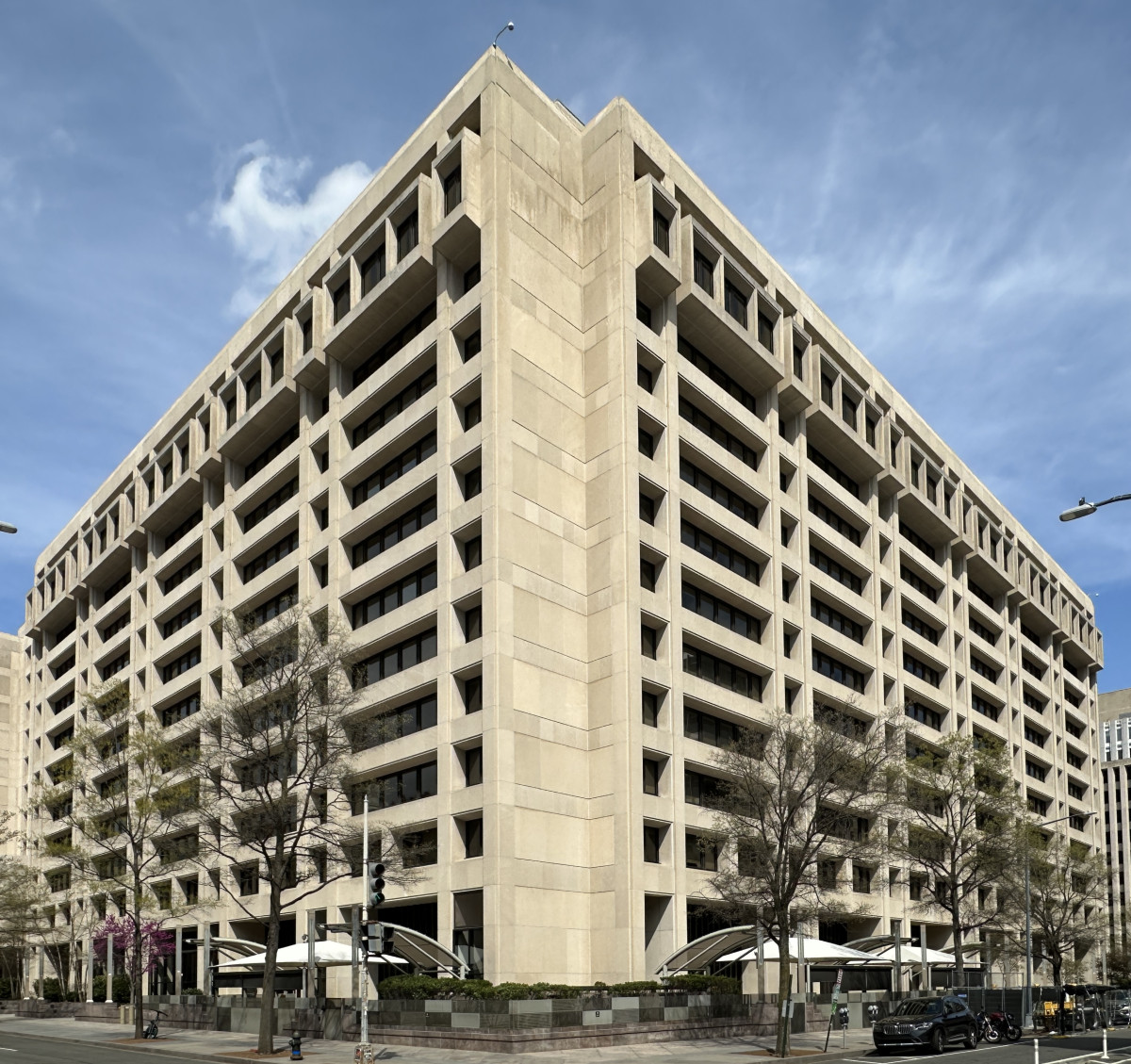
South Africa's economy will grow by only about 1% this year, the International Monetary Fund (IMF) says, but faster reforms could push growth as high as 4%.
IMF staff set out their views in a concluding statement after their 2026 Article IV visit, the fund's regular check-up of a member's economy. The findings were reported by Channel Africa and DNE Africa on Wednesday. They are the views of IMF staff, not yet of the IMF board.
The forecast
The IMF projects real GDP growth of 1% in 2026 and 1.3% in 2027, rising gradually to about 1.8% in the medium term as electricity and logistics reforms attract investment. It expects inflation to average 4.4% in 2026 and 3.9% in 2027, and to return to the Reserve Bank's 3% target by late 2028.
The staff said the economy had been "relatively resilient" despite the Middle East conflict, which pushed up oil prices, inflation and interest rates. They credited the new lower inflation target, a flexible rand, strong reserves and high prices for commodity exports.
But they also said the country "has long been stuck in a trap of low investment and growth and high unemployment and debt". Growth has averaged less than 1% over the past decade, and one in three adults and two in three young adults have no job, according to the statement.
Debt and the budget
The government's October medium-term budget aims for a primary surplus of 1.6% of GDP in 2026/27, rising to 3% by 2029/30. The IMF uses more cautious assumptions: it sees the primary surplus at 1.4% this year and about 1.8% over the medium term, with debt stabilising at around 75% of GDP, Channel Africa reported.
The fund backs the goal of reducing debt to about 70% of GDP by 2033/34. It recommends shifting spending worth 1% of GDP from day-to-day costs to public investment, with savings from public-sector wage reforms, better-targeted subsidies and fewer public entities. It also wants a fiscal rule with explicit debt targets, spending ceilings and narrowly defined escape clauses.
DNE Africa reported that the IMF said fuel-levy relief "should remain temporary" and that any state support for unbundling Eskom and Transnet should be kept to a minimum.
Interest rates and reforms
The IMF said the Reserve Bank's "moderately restrictive" stance was appropriate. The bank raised its repo rate to 7.25% in September.
On reforms, the staff welcomed progress under Operation Vulindlela, including more private power generation and rail freight, but said the steps "have yet to translate into higher investment, jobs, and growth". It called for the full unbundling of Eskom and Transnet, faster building of transmission lines, a working wholesale electricity market and an independent water regulator. It said a full package could raise output by 9% over the medium term. "Inaction is not an option," the statement said.
Related: Ramaphosa: 60% of Vulindlela reforms on track · IMF's Botswana review: debt at 34% of GDP
Sources
What's Your Reaction?
 Like
0
 Dislike
0
 Love
0
 Funny
0
 Wow
0
 Sad
0
 Angry
0

The Republic Times newsroom: independent, ad-free South African journalism. Story tips and corrections: info@republictimes.co.za.







Comments (0)