

Remote-controlled smart geysers move closer as SANEDI appoints a service provider for national rollout
The South African National Energy Development Institute (SANEDI) says it has appointed a service provider for a large rollout of smart geysers that can be switched remotely to cut peak electricity demand. The project was meant to start in November 2025 but had not reached households by late November 2026, MyBroadband reports.
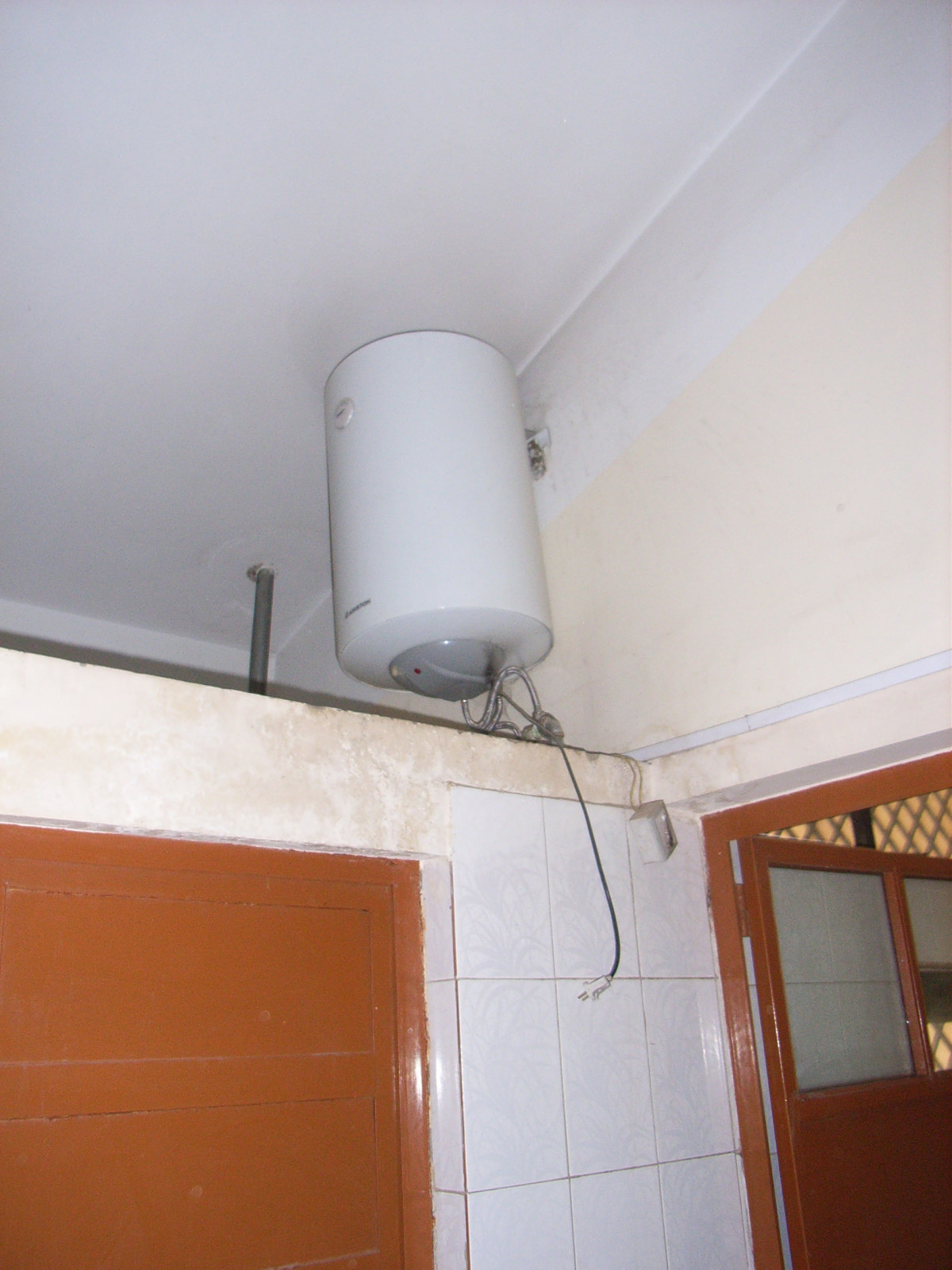
A plan to control household geysers remotely so they use less electricity at peak times has moved a step forward. The South African National Energy Development Institute (SANEDI) says it has appointed a service provider for the national rollout.
In its 2025/26 annual report, SANEDI said the large-scale rollout of its Balancing Energy Supply and Demand (BESD) project "made significant progress, notably with the appointment of a service provider", MyBroadband reports. SANEDI did not name the provider in the parts of the report quoted.
Behind schedule
The report says implementation was meant to begin in November 2025. MyBroadband notes that smart geysers had still not started rolling out to homes as of late November 2026.
Why geysers?
According to SANEDI, geysers use 30% to 40% of the electricity in a typical South African home, which makes them an obvious target for demand-side management. SANEDI says it has studied how its plan fits with the national smart meter rollout. It argues that smart meter data is enough to control big appliances such as electric water heaters without extra metering. It says linking the two programmes would cut peak demand, make the grid more stable and help municipalities protect their revenue.
In 2023, during record load-shedding, Electricity and Energy Minister Kgosientsho Ramokgopa said the government wanted geysers switched off when they were not needed. He said households would still have hot water when they needed it. The government estimated that switching off geysers could free up about 3,500MW, with a target of cutting at least 1,000MW of geyser demand, according to MyBroadband.
What it means for households
No details have been published yet on which areas will get smart geysers first, whether taking part will be voluntary, or who will pay for the devices. MyBroadband reports that the project will now also be used to reduce demand in areas with high levels of illegal connections and electricity theft.
The grid is in far better shape than it was in 2023. Read our report on Eskom's 550 days without load-shedding.
Sources
What's Your Reaction?
 Like
0
 Dislike
0
 Love
0
 Funny
0
 Wow
0
 Sad
0
 Angry
0

The Republic Times newsroom: independent, ad-free South African journalism. Story tips and corrections: info@republictimes.co.za.









Comments (0)