

South Africa's own communications satellite would cost R6.5 billion; government weighs four ways to pay
A proposed South African national communications satellite would cost about R6.5 billion to build, launch and support with ground stations, Sentech told MPs on Tuesday. The draft strategy sets out four funding options, from full Treasury funding to a public-private satellite company, and still has to go to Cabinet.
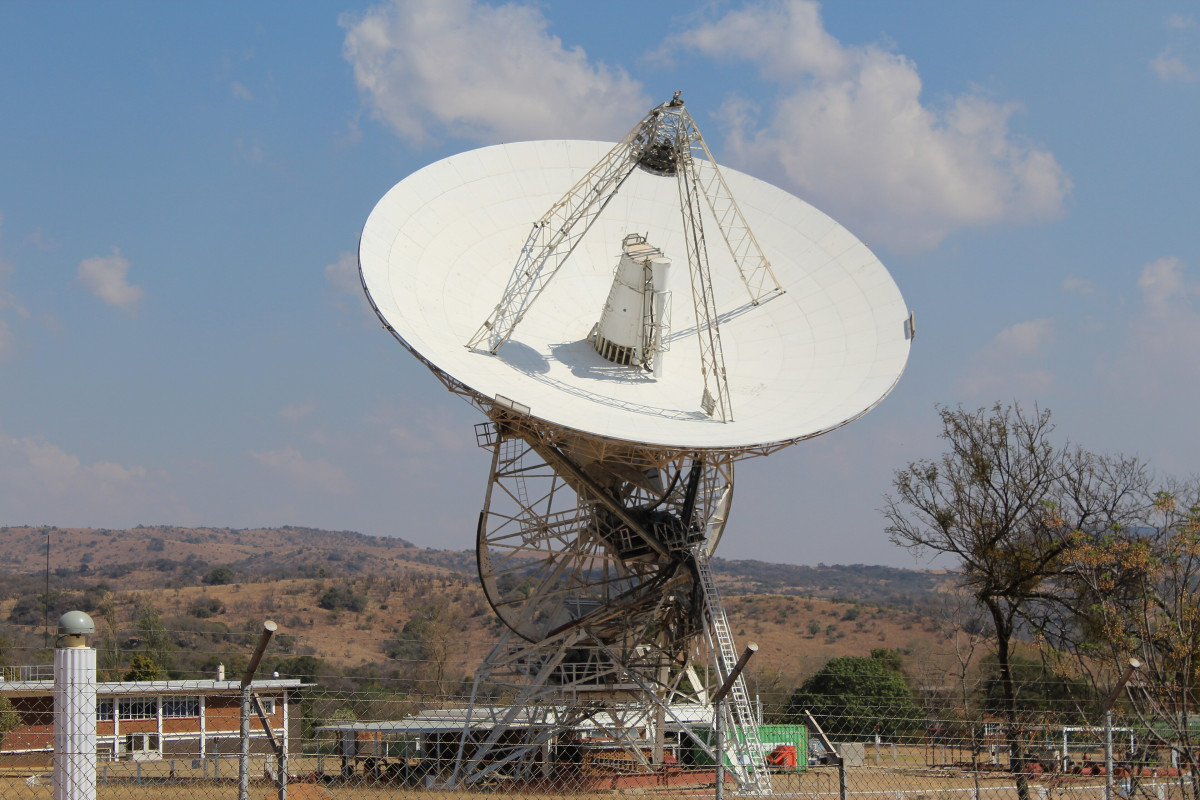
South Africa would need about R6.5 billion to build and launch its own communications satellite, the Department of Communications and Digital Technologies (DCDT) told Parliament on Tuesday, 24 November.
The figure came during a joint briefing to the portfolio committees on communications and on science, technology and innovation about the draft National Satellite Communications Strategy, IOL reported. The strategy was drawn up by the DCDT with the Department of Science, Technology and Innovation, state signal distributor Sentech and the South African National Space Agency (SANSA).
What R6.5 billion buys
"We have quantified the cost at R6,5 billion. It covers satellite manufacturing and the launch, ground station and equipment, and all other related services," Sentech CEO Tebogo Leshope told MPs. He said a viability study and business case had been done.
The department says the system would improve South Africa's "infrastructure sovereignty", complement fibre and mobile networks, and help close connectivity gaps in underserved areas.
Four ways to pay
- Treasury pays everything: the state funds 100% of the capital cost and treats the satellite as a strategic national asset.
- Public-private partnership: a new satellite company, called SATCO in the briefing, would co-ordinate government satellite needs and bring in strategic anchor investors.
- Debt: SATCO would borrow from development finance institutions such as the DBSA, the IDC and the New Development Bank, possibly with help from Treasury's Budget Facility for Infrastructure.
- A mix of government money, debt and private partners.
Space in Africa noted that Nigeria runs a similar state satellite company, NIGCOMSAT.
Questions still open
The strategy still needs stakeholder consultation before it goes to Cabinet. Space in Africa pointed out that the DSTI told Parliament in April 2025 that South Africa spends about R100 billion a year on foreign communications providers, but did not break that figure down. That makes it hard to judge how much a local satellite could replace. The publication also said a national system would compete with fast-growing low-Earth-orbit services, so it would need a clear market and not rely on national ownership alone.
Related: Telkom signs up for Amazon Leo satellite internet · Starlink's submission on SA's ownership rules · DCDT officials leave MPs in the dark on AI policy
Sources
What's Your Reaction?
 Like
0
 Dislike
0
 Love
0
 Funny
0
 Wow
0
 Sad
0
 Angry
0

The Republic Times newsroom: independent, ad-free South African journalism. Story tips and corrections: info@republictimes.co.za.











Comments (0)