

Opinion: Motorists paid their licence fees. Gauteng's metros must pay the R2.9bn over, not hold licensing hostage
Analysis: Gauteng says Johannesburg, Ekurhuleni and Rand West have kept almost R2.9 billion in licence fees that motorists already paid for the province. The province is right to want the money. But cutting licence forms to municipal testing centres would punish motorists for a fight between governments. Both sides should use the law, publish a payment plan and protect the public.
This is an opinion piece by Republic Times. It is based on published reporting and the sources listed below.
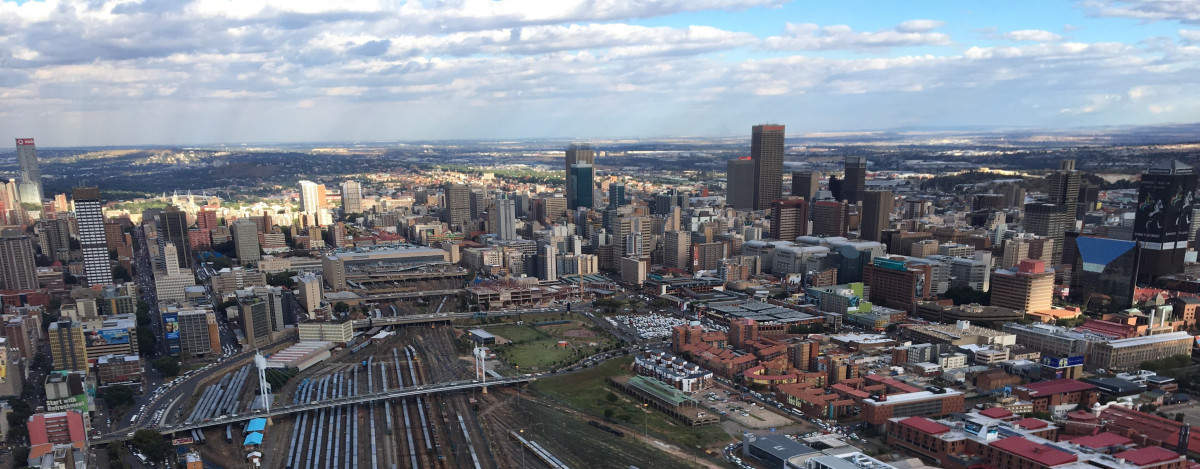
When you renew your licence disc at a municipal counter in Johannesburg, you are not paying the city for a city service. Much of that money belongs to the province, and the municipality is supposed to pass it on. According to Gauteng's roads and transport department, three municipalities have not done so. Johannesburg owes R1.6 billion, Ekurhuleni R1.03 billion and Rand West City R222 million, almost R2.9 billion in total.
The province has a point
This is not a disputed bill for a service that was never delivered. Motorists paid in full and on time; if they had not, they would have been fined. The money was collected for a specific purpose, and the department still has to pay for the licensing system it runs. MEC Kedibone Diale-Tlabela says meetings and formal letters have not worked. Municipalities that pressure residents over unpaid rates should hold themselves to the same standard.
The wrong pressure point
The province's proposed response is the problem. It may cut the "face-value forms" that municipal testing centres need to issue licence documents. The department itself admits this could mean reduced capacity, delays and cancelled appointments for learner's and driving tests. That pushes the cost of an argument between governments onto the people who already paid, including job seekers who need a driving licence for work.
There are better tools. The Intergovernmental Relations Framework Act sets out how disputes between spheres of government should be handled. Agency agreements can be enforced. The Treasury and the auditor-general can be asked to examine where the money went. Councils that are still forming coalitions this week can be told, in public, exactly what they owe.
What both sides should do now
- The municipalities should explain publicly why the money was not paid over and table dated repayment plans before their new councils.
- The province should publish the agreed figures, any payment plans and its timetable, and use formal dispute mechanisms before restricting services.
- Any money collected for the province from now on should be ring-fenced, so this backlog does not grow while the arrears are being repaid.
Motorists kept their side of the deal. The governments involved should now keep theirs, without making residents wait in longer queues for it.
Related: News: Gauteng warns of licensing delays over R2.9bn municipal debt
Sources
What's Your Reaction?
 Like
0
 Dislike
0
 Love
0
 Funny
0
 Wow
0
 Sad
0
 Angry
0

The Republic Times newsroom: independent, ad-free South African journalism. Story tips and corrections: info@republictimes.co.za.









Comments (0)