

Botswana: IMF says diamond slump has pushed debt to 34% of GDP and calls for a new growth model
An IMF mission says weak demand for natural diamonds and competition from lab-grown stones caused two years of economic contraction in Botswana and pushed public debt from 22.5% to about 34% of GDP. The IMF expects 3% growth in 2026 but says the country needs a new, private-sector-led growth model.
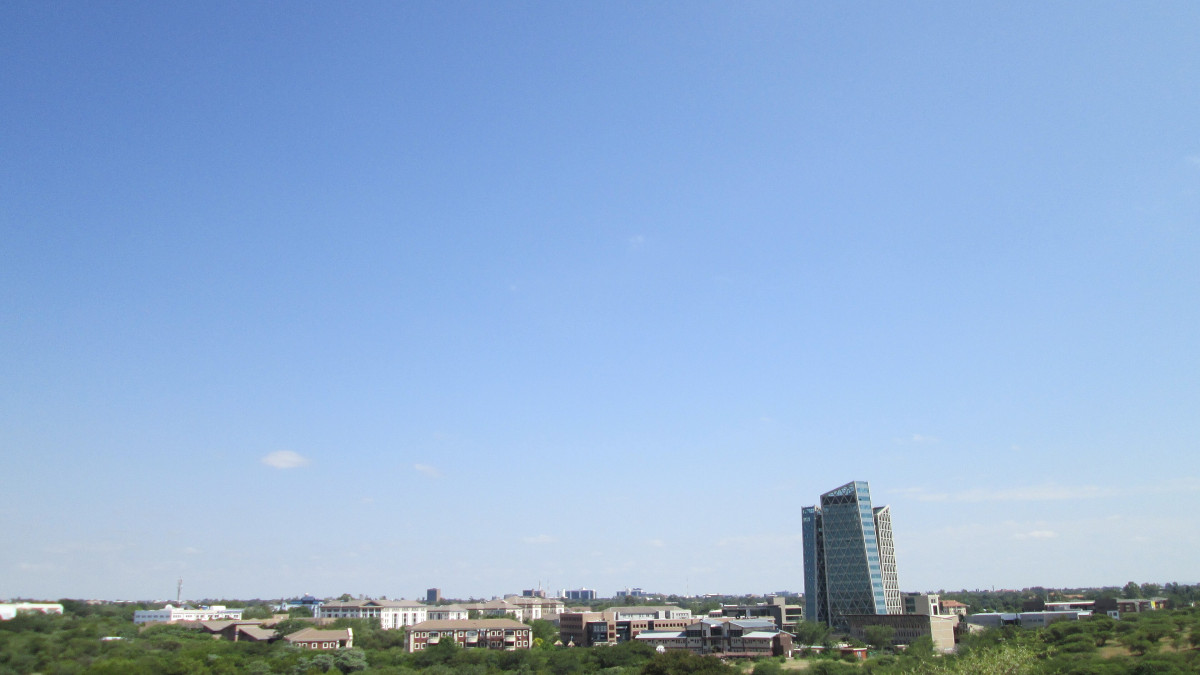
A team from the International Monetary Fund has warned that Botswana's outlook "remains challenging" after a slump in diamond sales. The team visited Gaborone from 9 to 23 November for the IMF's annual Article IV review.
"Weak natural diamond demand and growing competition from lab-grown diamonds contributed to two years of economic contraction, while unemployment, particularly among young people, remains high," mission chief Faisal Ahmed said in a statement at the end of the visit.
Key numbers
- Growth: the economy is expected to grow 3% in 2026 after two years of contraction, helped by mining in the first half.
- Inflation: 7.6% in October 2026, mainly because of higher fuel prices, and projected at 8.2% for the year.
- Budget: the deficit narrowed to an estimated 6.3% of GDP in 2025/26.
- Debt: public debt rose to about 34% of GDP, from 22.5% two years earlier, as the public wage bill kept growing.
- External position: the current account is projected to swing to a deficit of 0.2% of GDP in 2026, but reserves should stay above five months of import cover.
What the IMF recommends
The Fund wants a medium-term fiscal plan led by spending cuts. That includes containing the wage bill, targeting social programmes and subsidies better, and managing public investment more carefully, backed by a fiscal rule and a debt anchor. It said the Bank of Botswana, which raised its policy rate to 5.5% in April, may need to tighten further if inflation persists. Any move to a more flexible exchange rate should be gradual.
The Fund said Botswana needs "a new growth model driven by non-mineral, private-sector-led activity". That means better access to finance, land administration, electricity supply and competition, and a smaller role for state-owned companies. Channel Africa noted that the Fund expects natural-diamond demand to stay weak. With ambitious reforms, the IMF said, growth could recover to more than 4% over the medium term.
Botswana is one of the world's biggest producers of natural diamonds by value. Its economy and public finances depend heavily on diamond exports.
Related: Diamonds in the Miss SA crown row
Sources
What's Your Reaction?
 Like
0
 Dislike
0
 Love
0
 Funny
0
 Wow
0
 Sad
0
 Angry
0

The Republic Times newsroom: independent, ad-free South African journalism. Story tips and corrections: info@republictimes.co.za.









Comments (0)