

SA's last manganese smelter Transalloys to start retrenchments within two weeks, blaming Nersa delay on cheaper Eskom tariff
Transalloys, South Africa's only producer of manganese ferroalloys, says it will begin retrenching about 10% of its workforce within two weeks. Its eMalahleni smelter has been idle since July, and Nersa has yet to approve a cheaper electricity tariff the company agreed with Eskom. Chief executive Konstantin Sadovnik says the regulator shows 'no urgency'.
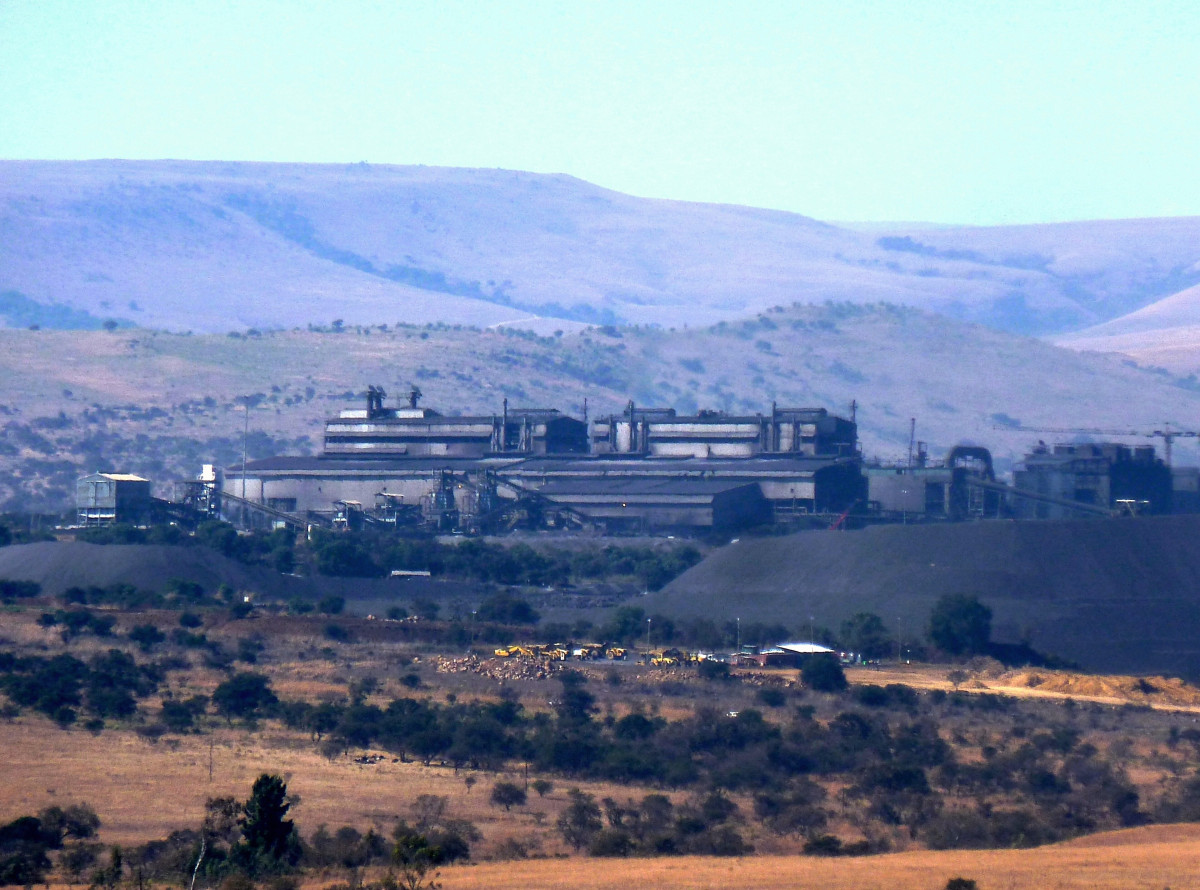
Transalloys, South Africa's only producer of manganese ferroalloys, said on Tuesday, 24 November, that it is preparing to retrench workers at its Witbank (eMalahleni) plant in Mpumalanga. It blames delays at the energy regulator, Nersa, The Citizen reported.
The privately owned company stopped production on 1 July, saying electricity was too expensive for its manganese smelting. It has since agreed a reduced tariff with Eskom, but the deal cannot take effect until Nersa approves it.
'No urgency'
"The agreement remains subject to approval by Nersa, which has yet to initiate the required public participation process," chief executive Konstantin Sadovnik said. "There seems to be no urgency to act. There is no decision-making. There is no clear leadership."
About 10% of the workforce is expected to go within the next two weeks, and more cuts could follow if the impasse continues. The company said consultation processes have been completed. "Despite the hardship, Transalloys has carried its workforce for more than a year," Sadovnik said.
What is at stake
Transalloys warned in December 2025 that about 600 direct jobs and an estimated 7,000 livelihoods were at risk. Sadovnik said permanent closure would destroy an industrial asset worth about R6 billion and "wipe out South Africa's remaining manganese smelting capacity". News24 called the plant SA's last manganese smelter when production stopped in July.
The company argues that it should be treated like the ferrochrome industry, where a negotiated electricity framework includes a tariff of about 62 cents per kilowatt-hour. It says producing silicomanganese uses about 30% more energy than ferrochrome. Sadovnik said he had written to Nersa, copying relevant government departments, asking for a timetable for public participation and approval before Christmas.
Nersa's response to the company's criticism had not been reported at the time of publication.
Related: Eskom's spare capacity and 550 days without load-shedding · dtic talks to save Continental jobs
Sources
What's Your Reaction?
 Like
0
 Dislike
0
 Love
0
 Funny
0
 Wow
0
 Sad
0
 Angry
0

The Republic Times newsroom: independent, ad-free South African journalism. Story tips and corrections: info@republictimes.co.za.








Comments (0)