Opinion: A R100m AI fund is a useful start, but South Africa needs to publish the rules before it promises more
Analysis: President Cyril Ramaphosa has backed a R100 million venture fund for South African AI startups, seeded by a R25 million pledge from Andile Ngcaba, with the state promising to match private money. Online, people have mocked the size. The bigger question is how it will be run, and that has not been answered yet.
This is an opinion piece by Republic Times. It is based on published reporting and the sources listed below.
When President Cyril Ramaphosa came home from Silicon Valley and announced a R100 million venture fund for South African artificial intelligence startups, a lot of people online laughed. At roughly $5.7 million, the fund is a rounding error next to what the largest AI companies spend. That comparison is fair, but it misses the point. The more useful question is not whether R100 million is big. It is whether anyone yet knows how it will be spent.
What has actually been promised
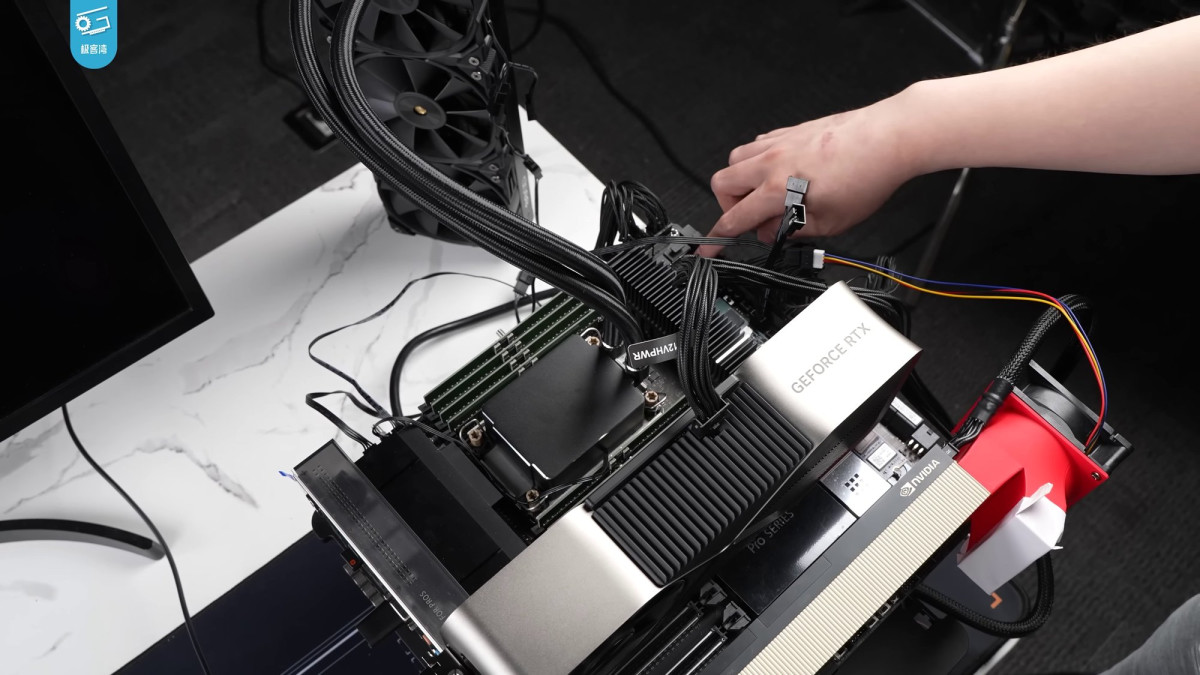
The idea came from Andile Ngcaba, founder of Convergence Partners, at a working lunch during the trip. He offered to put in a quarter, about R25 million, and challenged development finance institutions and private partners to fund the rest, SAnews reported. Ngcaba's argument was practical: "If you are an AI company, access to compute is one of the most expensive parts. This is what burns cash quickly." Ramaphosa then said government would match commitments from local entrepreneurs, and that a credit guarantee fund would also be created, according to MyBroadband.
Those are sensible instincts. Small, fast funds that pay for computing power and early-stage capital can matter more to a young company than a grand plan. Pairing state money with private investors who carry their own risk is better than the state picking winners alone.
What is still missing
As of last week, no fund manager, application process or timeline had been announced, and no development finance institution had publicly agreed to contribute, DNE Africa noted. Ramaphosa did not say whether any of the foreign companies his delegation met had committed money. The fund is meant to sit alongside a national AI action plan he has ordered within 90 days, to be outlined in the State of the Nation Address in February.
That gap is where public trust is won or lost. South Africa has plenty of experience with well-meant funds that became hard to track. Before the state adds a single rand, the public should know:
- Who runs it: an independent, named fund manager with a track record, not a department.
- Who qualifies: published criteria, including what share goes to compute, and how applicants from outside Johannesburg and Cape Town are reached.
- How the match works: what counts as a private commitment, and when state money is released.
- What gets reported: regular public disclosure of investments, follow-on funding raised and jobs created.
Small can be smart
Critics are right that R100 million will not make South Africa an AI power on its own, and supporters are right that it is better than nothing. Both can be true. If the fund is transparent and well run, it can grow on evidence. If it is not, its size will be the least of its problems. The 90-day AI plan is the natural place to set out these rules, and the government should do it there.
Related: Ramaphosa backs the R100m AI fund · Ngcaba's R25m pledge · The 90-day national AI plan
Sources
What's Your Reaction?
 Like
0
 Dislike
0
 Love
0
 Funny
0
 Wow
0
 Sad
0
 Angry
0

The Republic Times newsroom: independent, ad-free South African journalism. Story tips and corrections: info@republictimes.co.za.








Comments (0)