New HIV infections hit record low of 1.2 million but could rise from next year, UNAIDS warns as funding falls
UNAIDS data released on Tuesday show new HIV infections fell to an all-time low of 1.2 million in 2025, and 32.1 million people are on treatment. But the agency's head, Winnie Byanyima, warned that funding cuts and attacks on rights could make infections start rising again, with signs expected in 2027 data.
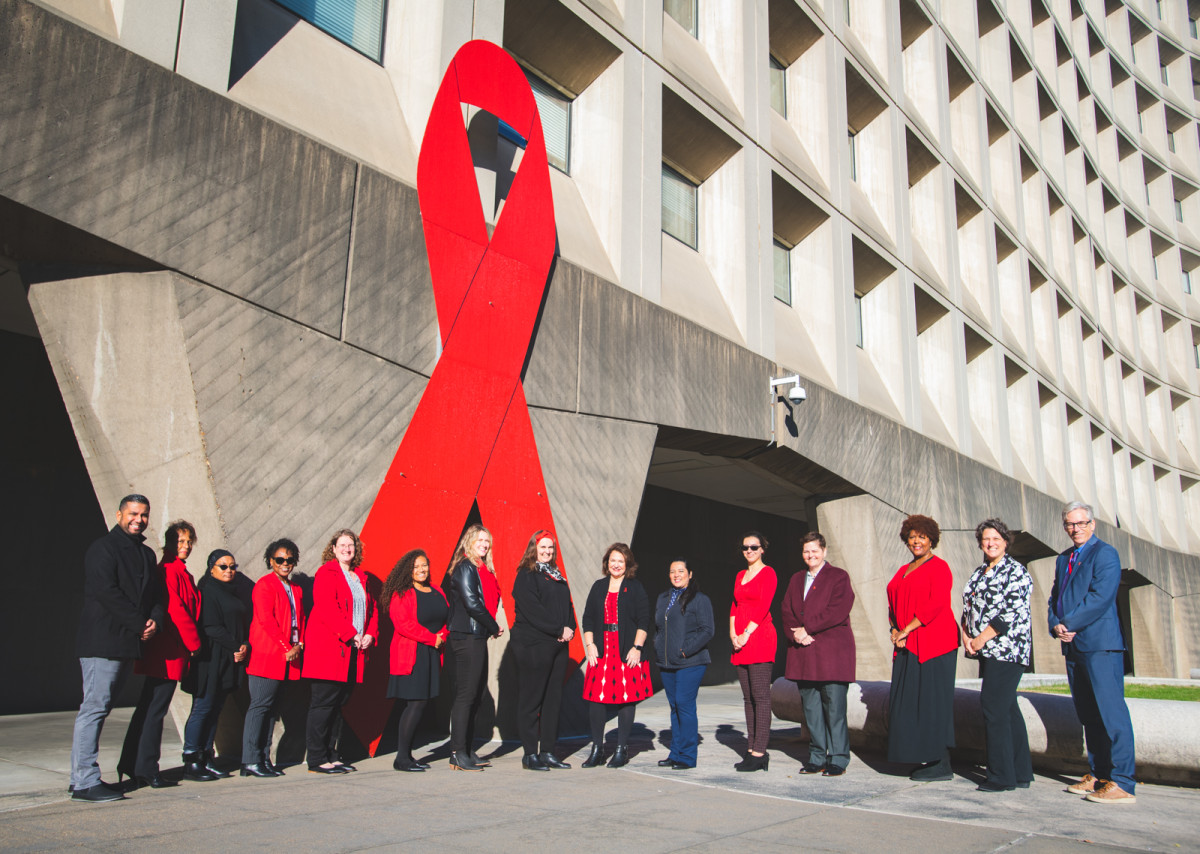
New HIV infections are at their lowest level ever, but the head of UNAIDS has warned they could soon start rising again.
UNAIDS launched its World AIDS Day report on Tuesday, 24 November, ahead of World AIDS Day on 1 December. It says 1.2 million people acquired HIV in 2025, down from a peak of 3.5 million in 1994. That fall came even though international funding dropped by nearly a fifth last year, Reuters reported.
Key figures
- 32.1 million people are on HIV treatment.
- 570,000 people died of AIDS-related causes in 2025.
- About five million people living with HIV did not know their status, and nearly nine million lacked access to treatment.
- Prevention options now include an injection needed only twice a year.
"The gap is no longer what medicine can do. It is who is able, allowed and supported to reach it," UNAIDS said.
'All the signs of reversals'
UNAIDS executive director Winnie Byanyima told Reuters that funding cuts and campaigns against rights were threatening the gains. "We are on the cusp of ending AIDS – this has been the greatest story of global health – and just when we should finish it, cuts and the rolling back of human rights is threatening to take away our gains," she said.
"We haven't got the data yet, but we see the signs. We see all the signs of reversals," she added. She predicted that 2027 data would start to show rising infections as some countries fail to fill funding gaps, leading to clinic closures and staff cuts. She said numbers were already rising in parts of South America, and that a political backlash against women's access to sexual and reproductive health and LGBTQ rights posed a "serious threat".
UNAIDS itself has been cut deeply. It has dismissed half its staff and stopped work in about 30 countries, although its board rejected a plan to dissolve it last month, Reuters reported. Byanyima leaves her post in December.
Related: South Africa's lenacapavir HIV prevention rollout
Sources
What's Your Reaction?
 Like
0
 Dislike
0
 Love
0
 Funny
0
 Wow
0
 Sad
0
 Angry
0

The Republic Times newsroom: independent, ad-free South African journalism. Story tips and corrections: info@republictimes.co.za.











Comments (0)