

Opinion: Tongaat's growers can't wait for a paperwork fix. The IDC, the banks and Vision must settle the R350m bridge this week
Analysis: A R350 million emergency loan for Tongaat Hulett was approved but stuck on a repayment condition, and the company has now started winding down its South African sugar operations. The parties should resolve the funding mechanics quickly and give growers clear, regular information while they do.
This is an opinion piece by Republic Times. It is based on published reporting and the sources listed below.
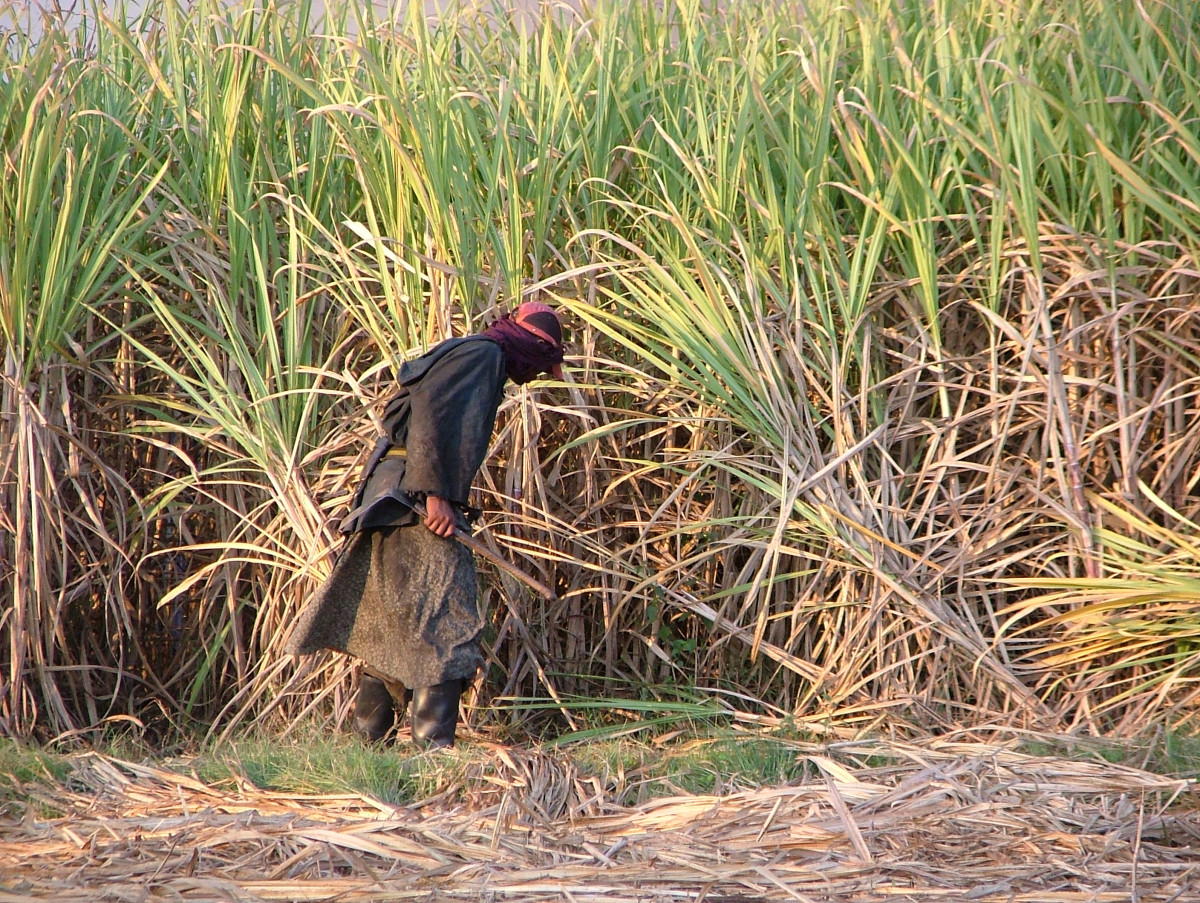
On Tuesday, Tongaat Hulett told sugarcane growers to stop delivering cane and said it would start winding down its South African sugar operations the next day. The reason, according to a letter reported by the North Coast Courier, is not that no one is willing to lend. The IDC approved R350 million in emergency funding. The money is stuck because the parties have not agreed how it will be repaid.
A solvable problem
As reported, the IDC wanted confirmation of repayment arrangements. Standard Bank said its existing funding arrangements with Vision did not let it provide that confirmation. The business rescue practitioners have proposed repaying the IDC through Vision's purchase of sugar stocks once its takeover is done. That is a disagreement about mechanics, between institutions that all say they want the business to survive.
Disputes like that can be settled in days, not months, if the people at the top make it a priority. Each party has good reasons for caution. The IDC is spending public money and is right to want repayment secured, especially while a police investigation into the Vision deal is under way. A bank cannot casually change its security arrangements. But caution should not turn into delay when a whole supply chain is stopping.
Who carries the risk
The cost of waiting falls mostly on people who had no say in the dispute: growers who delivered cane expecting about R500 million this month, their workers, and the haulage and service businesses around three North Coast mills. Cane that cannot be crushed loses value, and farm wages do not pause because a funding condition is unresolved.
What should happen
- A deadline. The IDC, Standard Bank, Vision and the practitioners should commit publicly to a date for a decision on the R350 million, yes or no.
- Clear information for growers. The company says it will give payment dates only once funds are certain. Until then, growers deserve a weekly update on what is owed, what is being done and what the options are.
- Keep the probe separate. The Hawks investigation should run its course, and no one should be presumed guilty. But a short-term bridge that protects the assets and the cane supply can be designed to stand apart from the outcome of the probe.
Business rescue is meant to save viable parts of a business for the benefit of creditors, workers and the wider economy. If an approved loan fails because of a repayment clause, the process has failed the people it was meant to protect.
Related: News: Tongaat Hulett tells growers to stop deliveries
Sources
What's Your Reaction?
 Like
0
 Dislike
0
 Love
0
 Funny
0
 Wow
0
 Sad
0
 Angry
0

The Republic Times newsroom: independent, ad-free South African journalism. Story tips and corrections: info@republictimes.co.za.








Comments (0)