

Ray-Ban and Oakley Meta AI glasses go on sale in South Africa from R8,399, as privacy questions linger
Meta's Ray-Ban and Oakley smart glasses go on sale officially in South Africa on Thursday, 26 November, priced from R8,399. Until now they were only available as parallel imports. The Information Regulator has said POPIA could apply to footage of identifiable people.
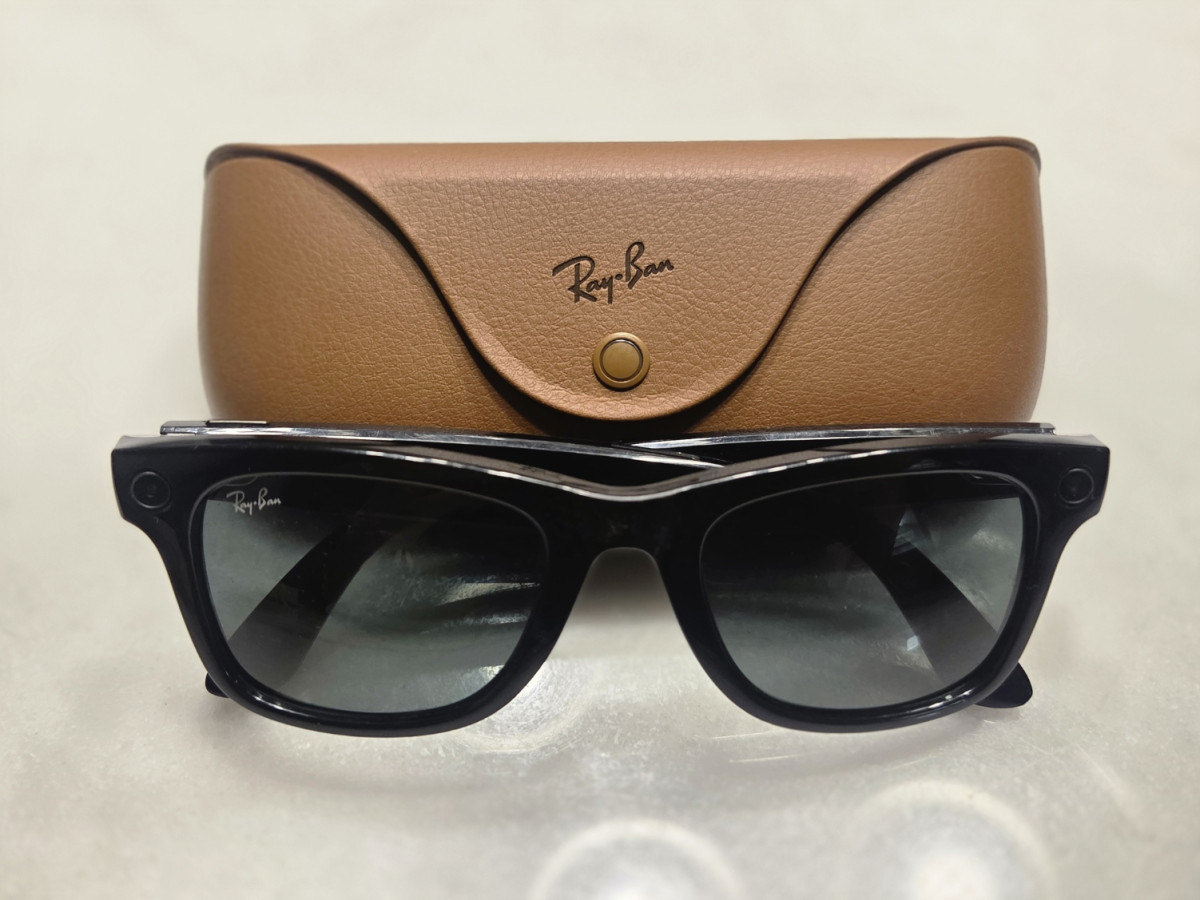
Meta's smart glasses are officially coming to South African shops. The Ray-Ban Meta and Oakley Meta ranges go on sale on Thursday, 26 November, a Meta spokesperson told TechCentral.
The glasses, made with eyewear group EssilorLuxottica, have a camera, open-ear speakers and microphones, and connect to Meta AI. Wearers can take photos and video hands-free, listen to music, take calls, send messages and ask the AI questions about what they are looking at, Glamour South Africa reported.
South African prices
According to the companies' suggested entry prices, as reported by TechCentral:
- Oakley Meta HSTN: from R8,399
- Ray-Ban Meta (Gen 3): from R8,599
- Ray-Ban Meta Optics (Gen 2): from R8,999
- Oakley Meta Vanguard: from R10,599
TechCentral said that is roughly in line with US pricing once VAT is added. Until now, the glasses were available locally only as parallel imports, with warranty support handled by the retailer rather than Meta.
They will be sold at selected EssilorLuxottica optical retail partners, the Oakley store and online. The companies did not name the retailers.
The range
The Ray-Ban Meta Gen 3 comes in Wayfarer, Aviator and Zena styles, with prescription lenses available. The Oakley Meta Vanguard is aimed at runners and cyclists, with a 12MP ultra-wide camera, IP67 water and dust resistance, and links to Strava and Garmin. An audio-only Ray-Ban Meta model is due in 2027.
The launch announcement did not mention Muse, Meta's personal AI agent, which the companies said in September would be available in the US only, TechCentral noted.
Privacy questions
Smart glasses that can record quietly raise privacy concerns. TechCentral reported that Meta demonstrated the glasses to the Information Regulator in September. The regulator said the Protection of Personal Information Act (POPIA) could apply to footage in which people can be identified, but that there is "no single law that would regulate such a product".
POPIA does not cover processing done purely for personal or household purposes, which could cover a lot of everyday use, TechCentral noted.
Related: SA Home Loans data breach
Sources
What's Your Reaction?
 Like
0
 Dislike
0
 Love
0
 Funny
0
 Wow
0
 Sad
0
 Angry
0

The Republic Times newsroom: independent, ad-free South African journalism. Story tips and corrections: info@republictimes.co.za.













Comments (0)