US prepares new tariffs on China, the EU and 14 other economies over 'excess capacity', sources say
The US Trade Representative is expected to release the results of a probe into excess industrial capacity in 16 economies, including China, the EU, India and Japan, and to propose new tariffs. People familiar with the plan say the rates will be country-specific and will respect caps in existing trade deals.
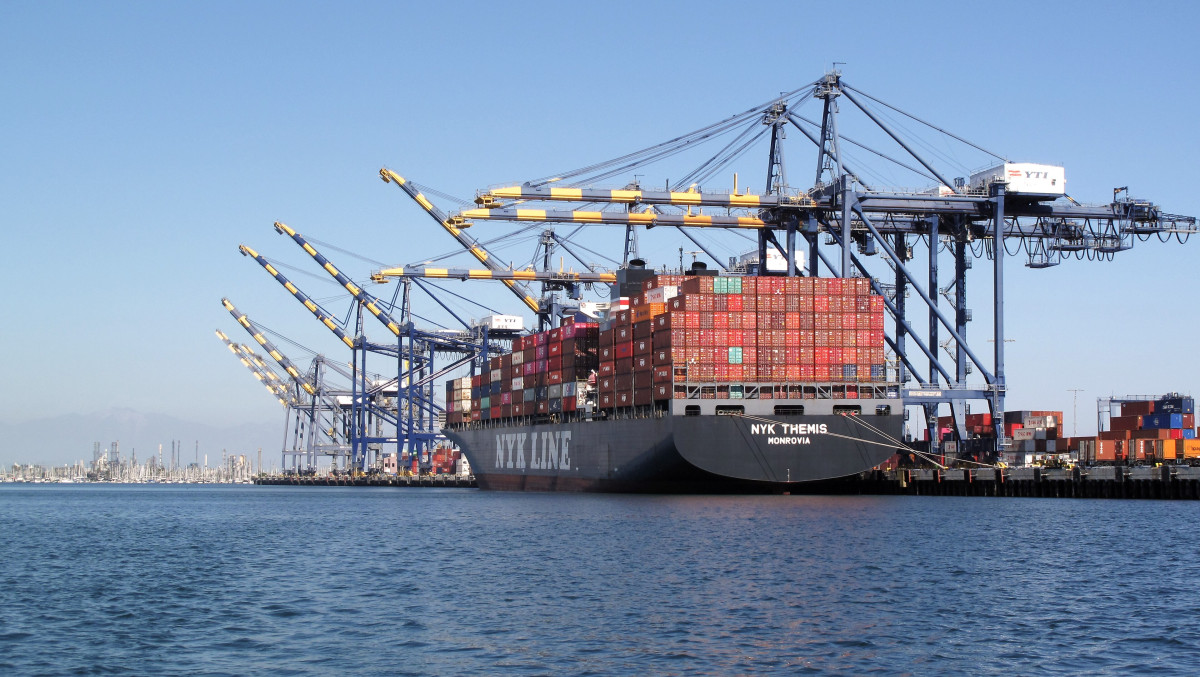
The United States is getting ready to put new tariffs on goods from China, the European Union and more than a dozen other economies, according to people familiar with the plan quoted by Bloomberg, Reuters and AAP.
The duties would follow an investigation by the Office of the US Trade Representative (USTR) into "excess manufacturing capacity" under Section 301 of the Trade Act of 1974. That law allows the president to impose tariffs to address unfair trade practices.
Who is targeted
The probe covers 16 economies: China, India, Japan, South Korea, Mexico, Vietnam, Taiwan, Thailand, Malaysia, Indonesia, Switzerland, Norway, Singapore, Bangladesh and Cambodia, along with the EU, AAP reported. South Africa is not on that list.
The new tariffs are expected to mostly hit manufactured goods and be set country by country rather than as one blanket rate. They would not push total tariffs above levels agreed in existing deals, such as caps of 15% for the EU, Japan and South Korea and 19% for Malaysia, the sources said. A 20% cap on Chinese goods is expected to hold as long as a US–China trade truce that expires on 10 January is extended.
Reuters reported that the administration could instead start with lower rates that rise over time unless countries reduce excess production. One source said immediate new tariffs on Mexico and Norway were less likely.
Replacing struck-down tariffs
The move is the second step in replacing the "Liberation Day" tariffs announced in April 2025, which the US Supreme Court struck down in February, AAP reported. In July the White House imposed levies of 10% to 12.5% on 60 trading partners over forced-labour enforcement.
Deborah Elms of the Hinrich Foundation wrote that if the aim is to return to earlier levels, "the newest tariffs could be an additional 2% to 7.5%", Bloomberg reported. The White House did not immediately comment, and the USTR declined to comment. The timing and exact products are not yet confirmed.
China rejects US claims that it floods world markets, saying its exports reflect competitive advantages. At home, higher prices from tariffs were a factor in the Republicans' losses in this month's midterm elections, Bloomberg reported.
For South Africa, the bigger US trade issue remains its exclusion from AGOA, which takes effect in January.
Related: Western Cape exporters plan urgent Washington mission over AGOA · Huawei convicted in US trial
Sources
What's Your Reaction?
 Like
0
 Dislike
0
 Love
0
 Funny
0
 Wow
0
 Sad
0
 Angry
0

The Republic Times newsroom: independent, ad-free South African journalism. Story tips and corrections: info@republictimes.co.za.







Comments (0)