

Opinion: Smart glasses are on sale in South Africa now. The Information Regulator should tell us the rules before the footage piles up
Analysis and opinion: Meta's Ray-Ban and Oakley glasses, which can take photos and video hands-free, go on sale in South Africa on 26 November. The Information Regulator says there is no single law for such products. Republic Times argues that plain-language guidance would protect both buyers and the people around them.
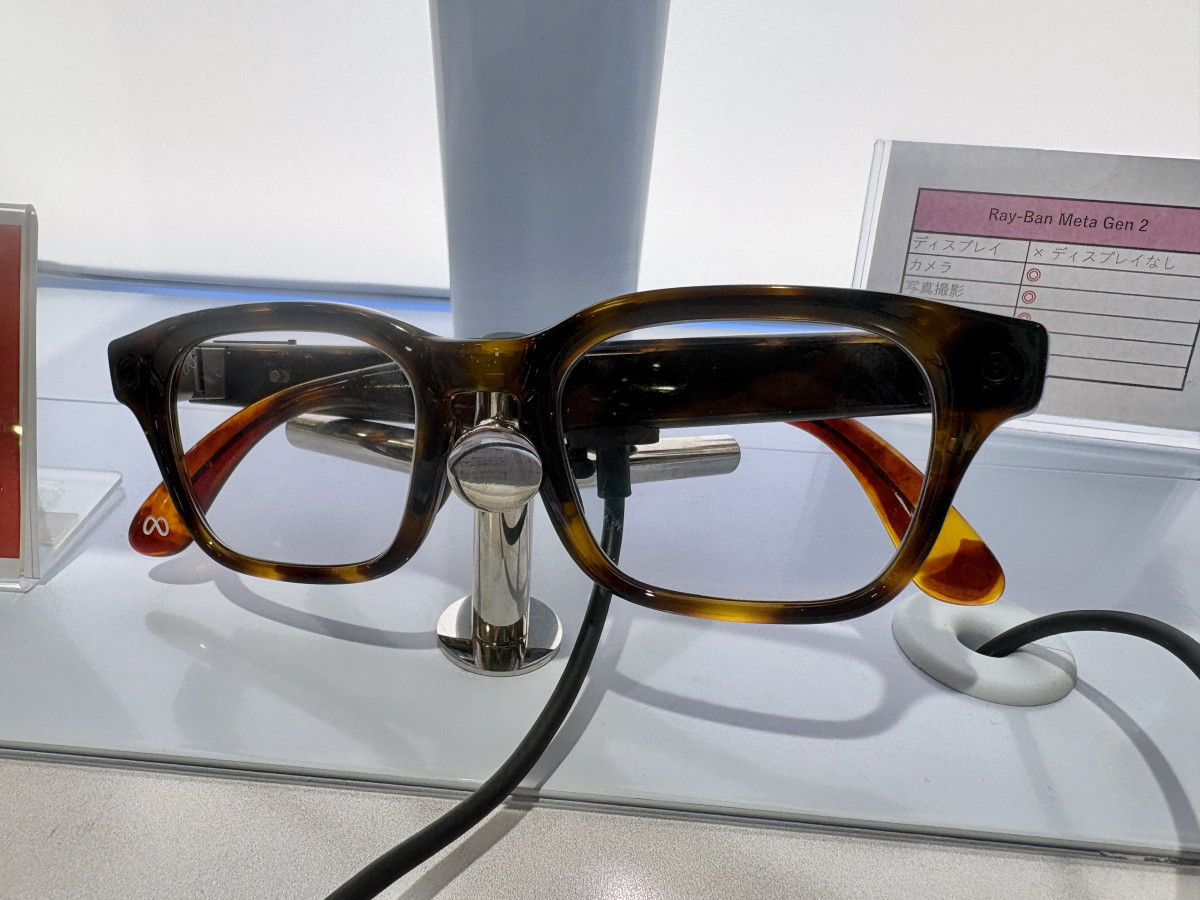
This is an analysis and opinion piece by Republic Times. It is based on the reported facts linked below.
From Thursday, South Africans can walk into an optometrist and buy a pair of sunglasses that can record video. Meta's Ray-Ban and Oakley glasses go on sale officially on 26 November, priced from R8,399, as we reported today.
They are clever devices. For cyclists, runners, people with poor eyesight and anyone who wants hands-free calls or translation, they could be genuinely useful. Nobody should treat a new gadget as a threat simply because it is new.
But glasses with a built-in camera are different from a phone held up in the air. The person being filmed may not know it is happening. That is why the rules need to be clear before the footage starts piling up, not after the first scandal.
What we know about the law
According to TechCentral, Meta showed the glasses to the Information Regulator in September. The regulator said the Protection of Personal Information Act (POPIA) could apply to footage in which people are identifiable, but that there is "no single law that would regulate such a product". It also said its contact with the product was not an endorsement.
POPIA does not apply to processing "in the course of a purely personal or household activity", TechCentral noted. That exclusion could cover much everyday use, such as filming your own child's birthday party. It is far less obvious how it applies when someone films strangers on a train, staff in a shop, or patients in a waiting room, and then posts the clip online.
What guidance could say
The regulator does not need a new law to help. It could publish a short, plain-language guidance note covering, for example:
- when recording with wearable cameras falls inside or outside the "household" exclusion;
- what businesses, schools and clinics may do if they want to ban or limit camera glasses on their premises;
- what a person can do if they find a recording of themselves posted online without consent.
Retailers selling the glasses could also help by giving buyers a simple leaflet on recording etiquette, such as switching the camera off in bathrooms, changing rooms and hospitals.
Fair to the buyers, too
Clear rules protect buyers as well as bystanders. Most people who spend R8,000 on glasses want to use them lawfully. Uncertainty helps no one: not the shop owner wondering whether to put up a sign, and not the customer who has no idea whether a quick video at a braai or in a mall breaks the law.
South Africa has a privacy law and a regulator. Smart glasses are already here. A few pages of guidance now would be cheaper than years of disputes later.
Sources
What's Your Reaction?
 Like
0
 Dislike
0
 Love
0
 Funny
0
 Wow
0
 Sad
0
 Angry
0

The Republic Times newsroom: independent, ad-free South African journalism. Story tips and corrections: info@republictimes.co.za.












Comments (0)