

Opinion: Mashaba is right about the damage, but the law already allows 30 years. Enforcement is the gap
Republic Times view: Herman Mashaba is right that the destruction of Johannesburg's infrastructure hurts everyone, but calling it treason is the wrong fix. A 2015 law already allows sentences of up to 30 years. The gap is catching and convicting the people responsible.
This is an opinion piece reflecting the view of Republic Times. It is based on the reports and the legislation listed at the end.
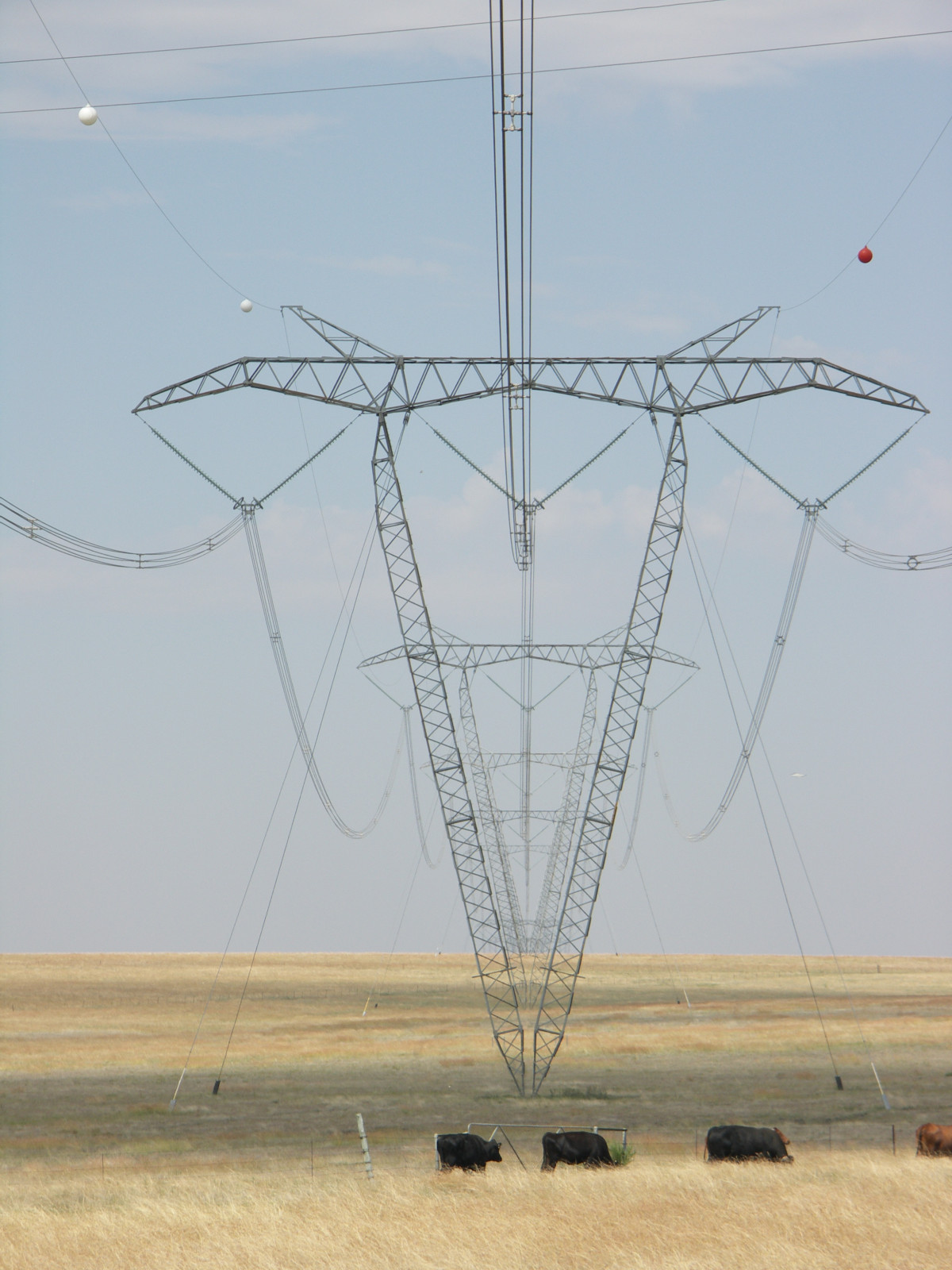
Herman Mashaba spent part of his first weekend as Johannesburg mayor at a vandalised City Power substation in Marshalltown and came away angry. He wants destruction of public infrastructure treated as treason, and he wants the council to ask Parliament to change the law. His anger is understandable. Every stolen cable and smashed substation means homes without power, hospitals on generators and businesses deciding to invest elsewhere.
But the fix he proposes is the wrong one, and the reason matters.
The law already treats this as very serious
Since 2015, South Africa has had a specific crime for this. Under section 3 of the Criminal Matters Amendment Act, anyone who unlawfully and intentionally tampers with, damages or destroys "essential infrastructure", meaning installations that supply energy, transport, water, sanitation or communication, faces up to 30 years in prison. Companies can be fined up to R100 million. The same Act makes bail harder: only a court, not the police or a prosecutor, can grant it.
Courts use it. In 2023 the Pretoria High Court upheld 15-year sentences for two men caught digging up electricity cables in Daveyton, noting the "high incidence" of the crime and the harm to the economy.
Treason, by contrast, is a narrow crime aimed at attacks on the existence or authority of the state. Stretching it to cover cable theft would invite long legal fights and would not add much to a law that already allows 30 years.
Where the real gap is
The problem in Johannesburg is not that the maximum sentence is too low. It is that too few people are caught, charged and convicted, and that stolen metal still finds buyers. Mashaba's own remarks point the right way: he spoke of working with the JMPD, SAPS and prosecutors and of fighting illegal mining syndicates around the clock. That is where his administration can make a difference quickly.
Practical steps would help more than a new label: guarding the most vulnerable substations, faster repairs so that damaged sites are not stripped again, joint operations against scrapyards that buy stolen cable, and regular public reporting of arrests, prosecutions and convictions under the 2015 Act.
Credit where it is due
Mashaba deserves credit for going to the sites, naming the problem and promising a plan within days. If that plan focuses on enforcement and is measured in convictions and fewer outages, residents will feel it. The treason debate can wait. The substations cannot.
Related: Joburg's water repairs need a public timetable and Mashaba's first oversight visits.
Sources
- EWN: Mashaba wants destruction of govt infrastructure to be treated as 'treason'
- SABC News: Vandalism of Joburg's infrastructure is treason: Mashaba
- Government Gazette: Criminal Matters Amendment Act 18 of 2015
- Department of Justice statement on the Act (2016)
- Tito and Another v S [2023] ZAGPPHC 712 (via SheriaHub)
What's Your Reaction?
 Like
0
 Dislike
0
 Love
0
 Funny
0
 Wow
0
 Sad
0
 Angry
0

The Republic Times newsroom: independent, ad-free South African journalism. Story tips and corrections: info@republictimes.co.za.










Comments (0)