

El Niño puts southern Africa on UN hunger hotspot list, with famine risk in Sudan and South Sudan
The UN's FAO and WFP say acute hunger will worsen in 16 hotspots between December 2026 and May 2027, up from 13 in June. El Niño has added southern Africa, including Eswatini, Malawi, Mozambique, Zambia and Zimbabwe, while Sudan and South Sudan face a risk of famine. Funding for the worst-hit areas has fallen by 62% since 2022.
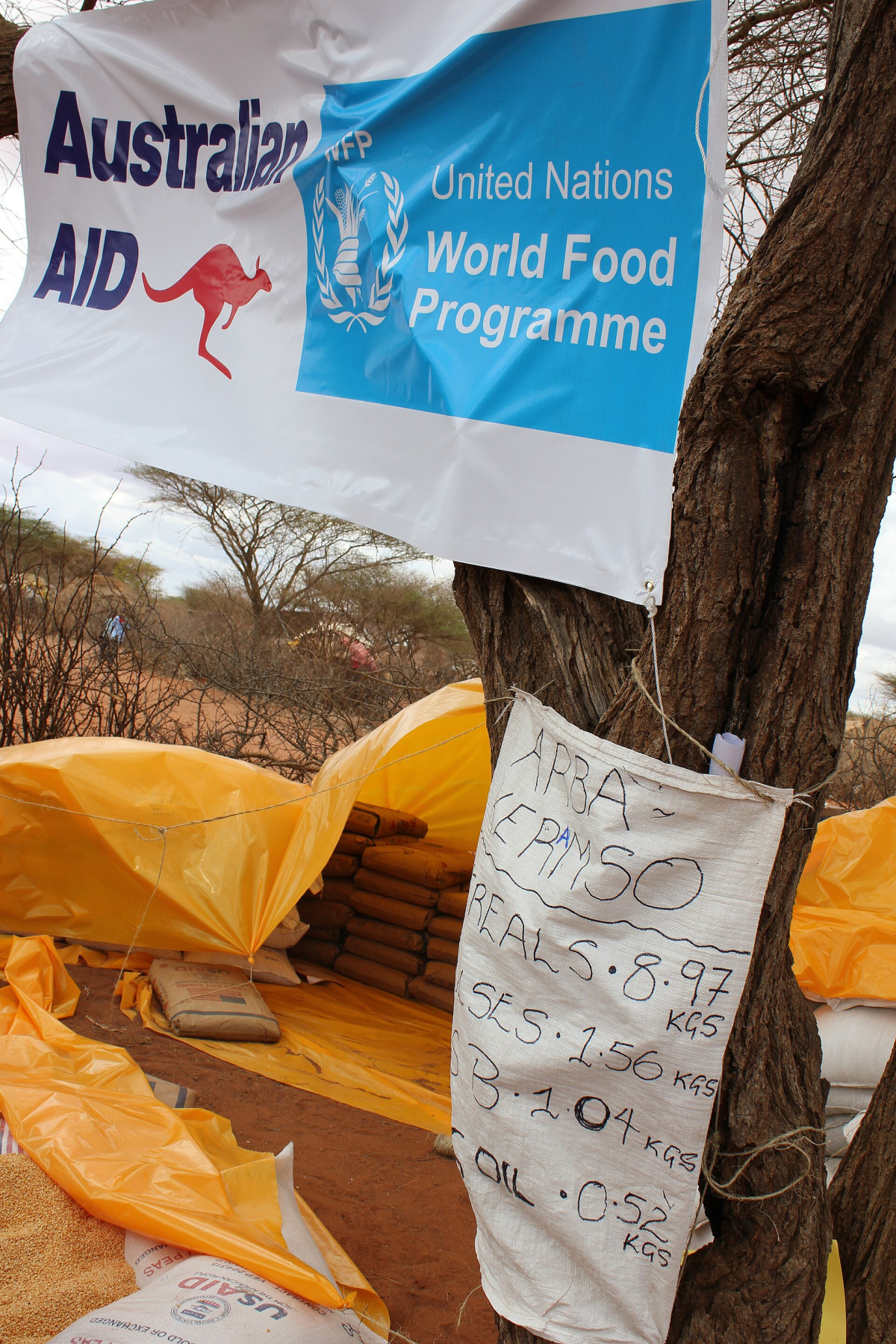
The UN Food and Agriculture Organization (FAO) and the World Food Programme (WFP) have warned that acute hunger will get significantly worse in 16 "hotspots" between December 2026 and May 2027, up from 13 in their June report. The agencies released their latest Hunger Hotspots report on Friday, 27 November.
Southern Africa added
El Niño, which the agencies say is gaining strength and could be one of the most intense on record, is behind three of the four new hotspots. One of them is southern Africa: Eswatini, Malawi, Mozambique, Zambia and Zimbabwe. South Africa is not on the list.
- Up to 3 million people in Zimbabwe, 2.6 million in Malawi and 1.8 million in Mozambique are projected to face high levels of acute food insecurity through to March 2027, the report says.
- Drier, hotter conditions threaten planting and future harvests in the region.
- The other new hotspots are the Central American Dry Corridor, northeastern Uganda and Chad, which was added because of spillover from the war in neighbouring Sudan.
Highest concern
Sudan, South Sudan, Somalia, parts of Nigeria and Yemen remain the five hotspots of highest concern, and conflict is a main driver in all of them. The report says there is a risk of famine in 13 areas of North Darfur and South Kordofan in Sudan through January 2027, under a reasonable worst-case scenario. In two camps for displaced people in South Darfur, acute malnutrition has already passed famine thresholds.
Afghanistan, the Democratic Republic of Congo, Haiti and Palestine are of "very high concern".
Less money
Humanitarian funding for food security and nutrition in the five worst-hit hotspots fell by 62%, from $5.1 billion in 2022 to $2 billion in 2025. "We're witnessing a scissors effect: needs remain extremely high in these countries, while funding continues to decline," WFP's Jean-Martin Bauer told journalists in Geneva, as quoted by The Straits Times.
The agencies' El Niño anticipatory action plan aims to protect 9 million people in 22 countries before the worst effects arrive. For South Africa's own grain outlook, read our report on the record maize crop and next season.
Sources
What's Your Reaction?
 Like
0
 Dislike
0
 Love
0
 Funny
0
 Wow
0
 Sad
0
 Angry
0

The Republic Times newsroom: independent, ad-free South African journalism. Story tips and corrections: info@republictimes.co.za.











Comments (0)