

Opinion: The deadline forced the metros to choose. Now the new coalitions have to stay together and deliver
Republic Times opinion: Friday's statutory deadline pushed councils from eThekwini to Nelson Mandela Bay to elect their leaders. Coalitions that leave the largest party in opposition are lawful and democratic, but Nelson Mandela Bay's seven mayors in ten years show what happens when deals are unstable. The new governments must prove they can last.

This is an opinion piece. It reflects the view of Republic Times and is based on the reported facts listed in the sources below.
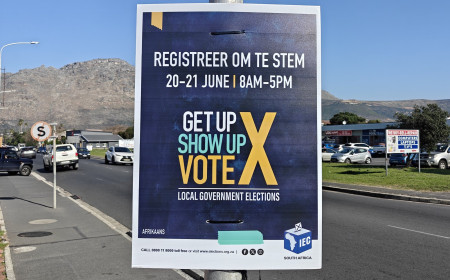
For weeks after the 4 November elections, South Africans watched postponed sittings, last-minute talks and threats to walk away. Then the law set a limit. Councils had until Friday, 27 November, to elect their leaders, and by Friday afternoon the deals were being turned into votes.
What happened
In eThekwini, the ANC's Thabani Nyawose won the speaker vote with 139 votes, a result reported as cementing an MK Party, ANC and ActionSA government. In Ekurhuleni, the EFF's Nthabiseng Tshivhenga won the speaker vote with 142 votes, backed by the ANC, ActionSA and others. In Nelson Mandela Bay, the DA's Retief Odendaal was elected mayor 63-55 at the head of a six-party coalition. In Tshwane, ActionSA's Nasiphi Moya was re-elected on Thursday.
The DA is the largest party in Ekurhuleni and Johannesburg but is heading for the opposition benches across Gauteng's three metros, IOL reports. In eThekwini, DA leader Dean Macpherson called an MK Party-led city "the worst government for eThekwini".
Fair to say: this is how the system works
Voters elect councillors, and councillors elect mayors. A coalition that holds a majority of council seats is legitimate, whether or not it includes the largest party. The DA is entitled to criticise its rivals' choices, and those rivals are entitled to make them.
The real test is staying power
Nelson Mandela Bay shows the cost of unstable deals. IOL counts seven mayors there since 2016, not counting an acting mayor, with no-confidence motions, court cases and party splits along the way. Odendaal now warns that the metro's cash reserves have fallen by almost R3 billion in three years. Residents pay for instability through unpaid contractors, stalled repairs and sewage in the streets.
Every new metro government should do three things in its first months:
- Publish the deal. Residents should know what each partner agreed to, who controls which portfolio and how disputes will be settled.
- Agree on the basics. Water, electricity, sewage and maintenance should not change with every reshuffle. Nelson Mandela Bay's partners have put these first; others should say what they will do and by when.
- Respect the opposition. A strong opposition, whether that is the DA in Gauteng and eThekwini or the PA and EFF in Nelson Mandela Bay, helps keep a coalition honest. Using council rules to block oversight would be a mistake.
Friday's deadline worked: it forced decisions. Whether those decisions hold will depend on the parties putting service delivery ahead of the next round of jockeying for positions.
Read the news: speaker votes in eThekwini and Ekurhuleni and Odendaal returns in Nelson Mandela Bay. Our earlier view: why Joburg's coalition should publish its agreement.
Sources
- TimesLIVE — ANC's Nyawose elected eThekwini speaker as MKP-ANC-ActionSA deal is cemented
- Business Day — EFF's Tshivenga elected Ekurhuleni speaker
- IOL — DA's Retief Odendaal returns as Nelson Mandela Bay mayor
- The Herald — New mayor Odendaal vows to turn around city's fortunes
- IOL — Mashaba set for Joburg mayoral return as council reconvenes
- SABC News — Councils reminded of Friday deadline to finalise positions
What's Your Reaction?
 Like
0
 Dislike
0
 Love
0
 Funny
0
 Wow
0
 Sad
0
 Angry
0

The Republic Times newsroom: independent, ad-free South African journalism. Story tips and corrections: info@republictimes.co.za.








Comments (0)