

Fields of graves: Reuters analysis suggests Congo's Ebola deaths in Bunia were far higher than the official count
A Reuters analysis of satellite images of cemeteries in Bunia, eastern Congo, estimates more than 1,000 excess deaths by early November against an official Ebola toll of 707 in the city. Experts at WHO and Africa CDC said the findings were plausible and reflect late detection of the outbreak.
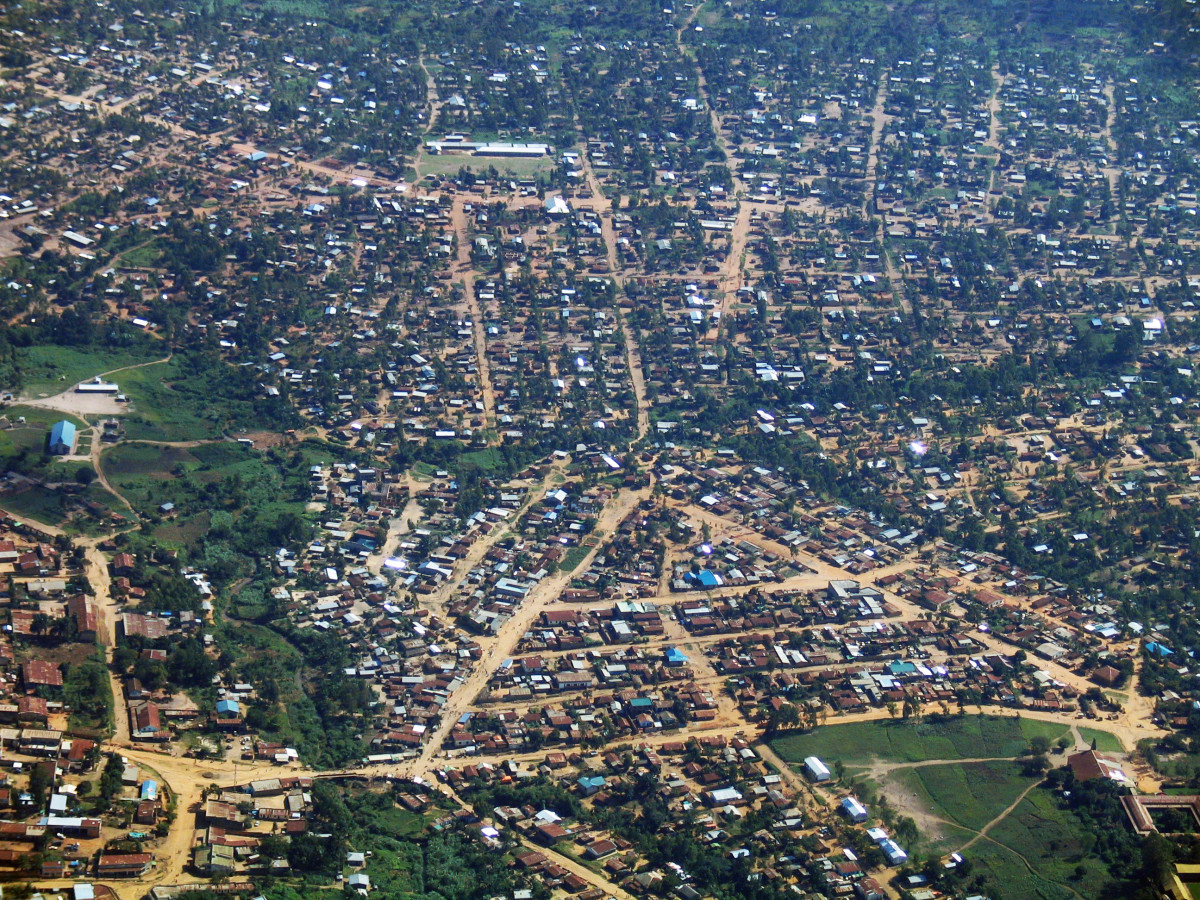
The official numbers for Congo's Ebola outbreak are already grim: more than 11,500 infections and more than 5,500 deaths since it was declared on 15 May. A new Reuters investigation suggests the true toll is higher still.
What the analysis found
Reuters compared satellite images of Bunia's three main cemeteries with the year before the outbreak to estimate "excess deaths", a method health officials also used during Covid-19 when records were incomplete.
- By late June, Bunia had more than 580 excess deaths, about seven times the official Ebola toll at the time.
- By September, the figure was about 950, roughly double the official count.
- In early November, excess deaths of more than 1,000 were still over 50% higher than the city's official Ebola toll of 707.
- In nearby Mongbwalu, the gold-mining town where officials believe the outbreak began, excess deaths at the largest cemetery alone were 25% higher than the official toll for the town and surrounding villages by August.
Reuters cautioned that not every excess death can be blamed on the virus. Some may be people with other illnesses who stayed away from hospitals for fear of infection. It also said its Bunia estimate was likely conservative because smaller burial sites were not included.
Why so many were missed
The outbreak is caused by the rare Bundibugyo strain, for which there is no approved treatment or vaccine. Doctors in Mongbwalu said patients first looked as if they had malaria or typhoid. Samples were initially tested for the wrong species of Ebola, and positive results only came back in mid-May. "We detected it late," said Richard Lokudu, head doctor at Mongbwalu hospital. Local officials said many people were buried without being tested, including migrant mine workers with no relatives to register their deaths.
What experts say
The findings are consistent with a WHO estimate in July that the outbreak was two to four times larger than the data showed. "We continue to find evidence that a proportion of cases and deaths were never detected," said Olivier Le Polain of WHO's Health Emergencies Programme. Yap Boum of Africa CDC said the findings were broadly plausible.
Jean-Jacques Muyembe, head of Congo's National Institute for Biomedical Research, said an early gap was "logical" given the late detection, but that excess-death estimates should be confirmed by investigating causes of death. Congo's health ministry did not respond to Reuters' requests for comment.
Experts say missed deaths often mean missed contacts, which makes it harder to stop the virus spreading. Trials of two vaccines designed for the Bundibugyo strain are due to start in Bunia.
Related: Two Bundibugyo Ebola vaccines to be tested in Bunia
Sources
What's Your Reaction?
 Like
0
 Dislike
0
 Love
0
 Funny
0
 Wow
0
 Sad
0
 Angry
0

The Republic Times newsroom: independent, ad-free South African journalism. Story tips and corrections: info@republictimes.co.za.











Comments (0)