

Five ancient baobabs replanted in Limpopo after they were dug up and nearly shipped abroad
Five protected baobab trees, estimated at 200 to 300 years old, have been replanted at the Timbavati Nature Reserve in Limpopo after they were uprooted without permits and found in a Durban freight yard awaiting export to Georgia. A criminal case against the exporter's owner continues in January.
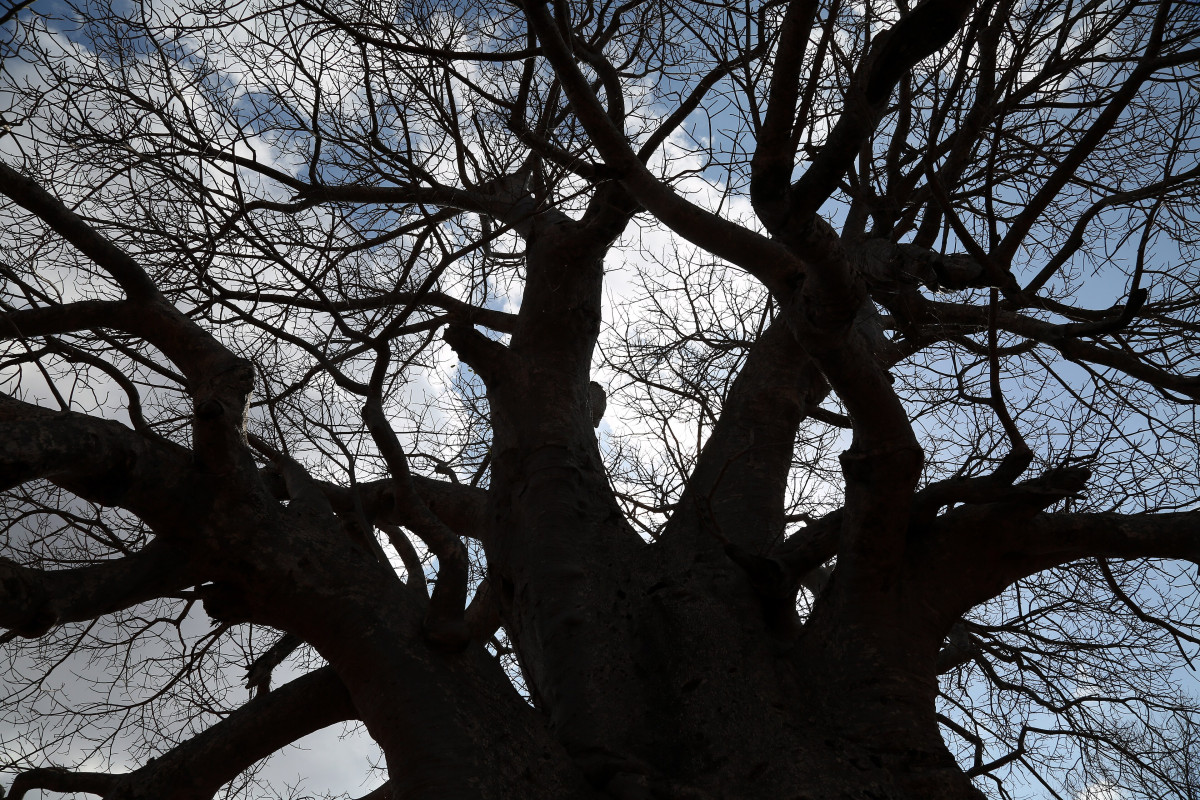
Five centuries-old baobab trees that were dug up and taken to Durban for export have been replanted in Limpopo, in what conservationists describe as a last-ditch effort to save them, AP reports.
Found lying in a parking lot
Officials from the Department of Forestry, Fisheries and the Environment (DFFE) found the protected trees in July lying on their sides in a freight company's yard in Durban. According to The National, officials seized them on 17 July after the exporters could not produce the permits needed to disturb, move or export protected indigenous trees. The trees had been uprooted in the Lephalale area of Limpopo's Waterberg region, the newspaper reports.
Officials told AP the trees were meant for a private collector in Georgia, the country on the Black Sea.
A 900km journey home
The DFFE and the Baobab Foundation used oversized trucks and cranes to move the trees to the privately owned Timbavati Nature Reserve near the Kruger National Park. Timbavati confirmed on 20 November that all five were back in the ground. Each weighs between 17 and 30 tonnes, and they are estimated to be 200 to 300 years old.
Their roots and branches had been cut, and they spent at least four months on tarmac. Even so, they began to sprout leaves, which gave officials hope, although AP notes it is still uncertain whether they will survive.
"These trees are really just symbolic of everything that we are losing out of Africa to people who just want to take them for their collections," Baobab Foundation ecologist Sarah Venter told AP. "We want our natural resources to stay here in Africa."
Court case continues
AP reports that a landscaper has been charged with offences related to the unauthorised harvesting of protected trees. The National names the Pretoria-based exporter as Divine Landscapes and says its lawyers have argued that the trees came from private gardens with the owners' consent. The National Forests Act bans moving or exporting protected trees without a state licence, wherever they grow. The DFFE minister dismissed the exporter's permit appeal in late October, and the criminal case against the company's owner has been postponed to 15 January 2027. The charges have not been tested in court.
Sources
What's Your Reaction?
 Like
0
 Dislike
0
 Love
0
 Funny
0
 Wow
0
 Sad
0
 Angry
0

The Republic Times newsroom: independent, ad-free South African journalism. Story tips and corrections: info@republictimes.co.za.















Comments (0)