

Opinion: Charging motorists R60 to see their own demerit points undermines the very point of Aarto
Under the Aarto regulations, South African drivers will pay R60 every time they check their own demerit-point balance. Republic Times argues that if the system is meant to change behaviour, knowing your points should be free.
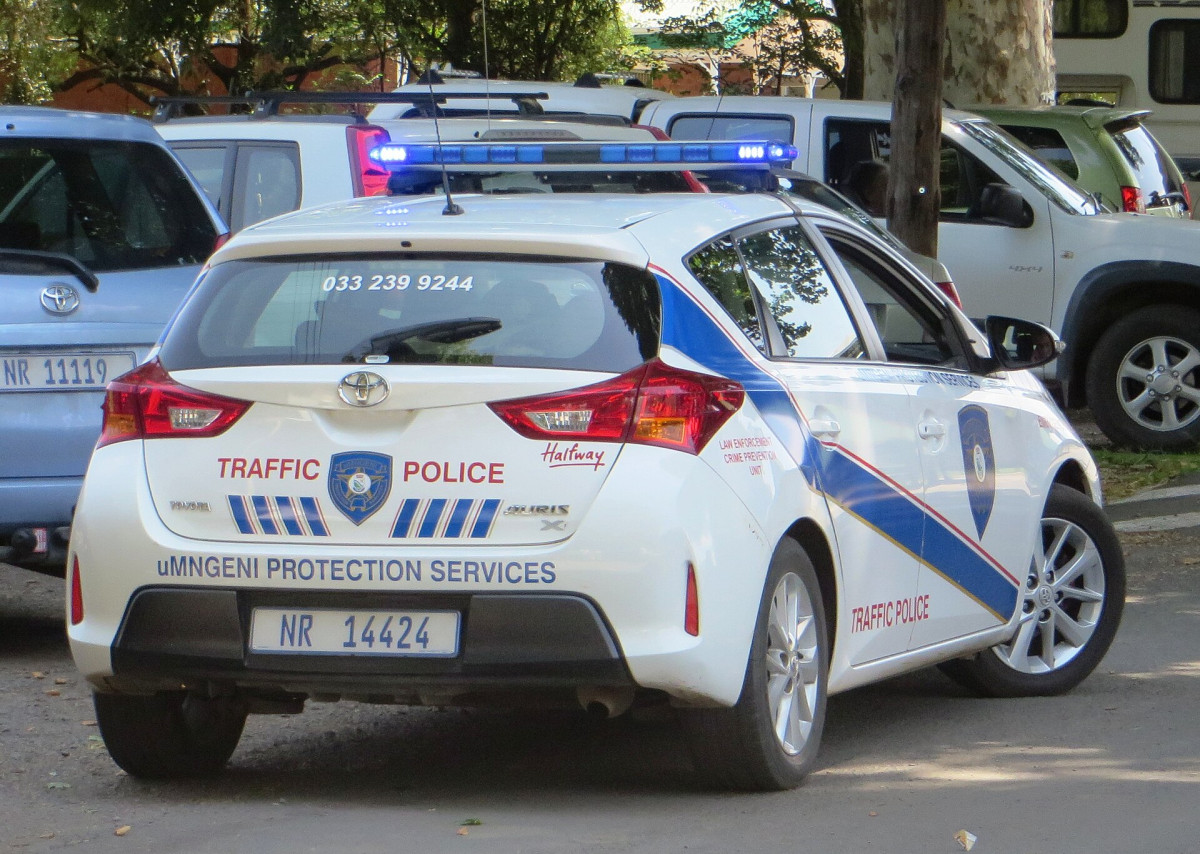
This is an opinion piece reflecting the view of Republic Times. It is based on the published facts and sources listed below.
The idea behind Aarto, the Administrative Adjudication of Road Traffic Offences system, is simple and sensible. Drivers collect demerit points for offences. Too many points, and your licence is suspended. The threat of losing your licence is meant to make you drive better.
But a points system only changes behaviour if people know where they stand. That is why the R60 fee for checking your own demerit-point balance, set out in Schedule 2 of the final regulations, deserves a rethink.
What the rule says
As reported by MyBroadband and others, motorists will have to pay R60 each time they ask the Road Traffic Infringement Agency (RTIA) for their points balance. Rob Handfield-Jones, managing director of Driving.co.za, has called it “unconscionable”, saying the query costs the agency “essentially zero” because it is a simple database lookup.
He also expects employers to ask staff who drive for work to prove their points status regularly. Four checks a year would cost R240, about 4.5% of a month’s pay for someone earning the national minimum wage of R30.20 an hour, by MyBroadband’s calculation.
The case for a fee, fairly stated
There is an argument on the other side. The RTIA must run systems, call centres and offices, and fees help cover administration. User charges are common for official documents, from licence renewals to certified records. Government may also worry that a free service would be flooded with requests.
Those are real concerns. But they are better answered by limiting abuse, for example by allowing a set number of free checks a year or making the online check free while charging for printed certificates, than by charging everyone for basic information about themselves.
Why it matters beyond R60
The fee comes on top of other questions about how Aarto was finalised. Handfield-Jones has said the final regulations differ sharply from the draft and were published without fresh public comment, partly as scans that are hard to read. The Organisation Undoing Tax Abuse (Outa) went to court over the lack of information on the Appeals Tribunal, which the RTIA then published. Outa’s Stefanie Fick asked “why it took threatened litigation” for that to be disclosed.
Aarto is being rolled out to more municipalities, so this is the moment to get it right. A system that wants drivers to watch their points should make those points easy and free to see. Otherwise the message to motorists is that the system is more interested in revenue than in road safety. The Department of Transport and the RTIA can fix this with a simple change to the schedule of fees.
Related: Opinion: Judge the new coalitions on water and wages; Petrol could drop by about R3 a litre in December
Sources
- MyBroadband — South African roads agency will charge motorists R60 for a simple query that costs almost nothing
- BusinessTech — Anyone with a driving licence in South Africa will be charged R60 for a service that costs nothing
- 2oceansvibe — Aarto wants to charge a R60 enquiry fee to check your demerit points
What's Your Reaction?
 Like
0
 Dislike
0
 Love
0
 Funny
0
 Wow
0
 Sad
0
 Angry
0

The Republic Times newsroom: independent, ad-free South African journalism. Story tips and corrections: info@republictimes.co.za.











Comments (0)