

NERSA publishes rules on registering rooftop solar: what home and business owners need to know
The energy regulator has published rules telling Eskom and municipalities how to keep registers of small-scale embedded generation such as rooftop solar of up to 100 kW. Customers must start the registration and supply a Certificate of Compliance and inverter test certificates.
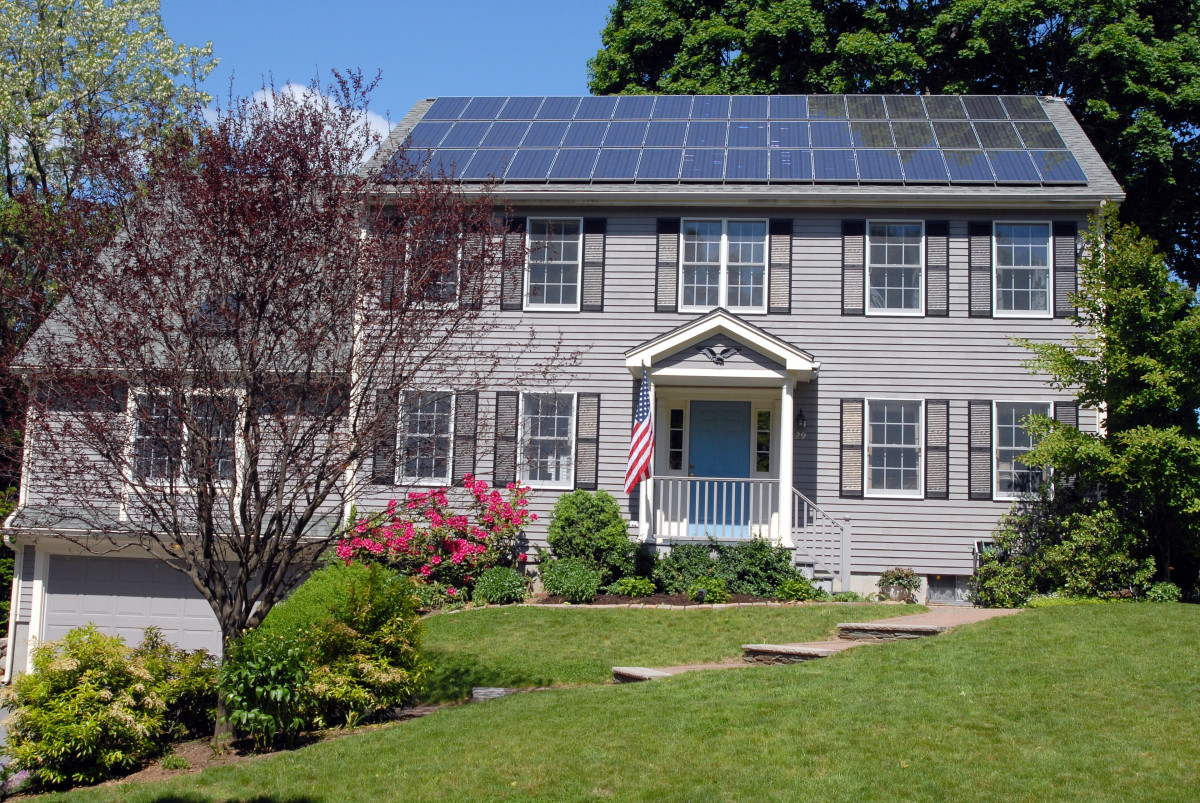
The National Energy Regulator of South Africa (NERSA) has published rules on how electricity distributors must register small solar and other embedded generation systems. The rules were gazetted on 27 November and took effect on that date, Green Building Africa and MyBroadband report.
The notice is titled Rules for Distributors to Keep a Register of Facilities with Capacities of Not More Than 100 kW. It covers small-scale embedded generation (SSEG), which includes most home and small-business rooftop solar systems.
What customers must do
- You start the process. Registration is the customer's responsibility, done with your distributor (Eskom or your municipality).
- Paperwork: a signed electrical Certificate of Compliance confirming the installation meets the SANS 10142 wiring code, plus inverter test certificates and any other documents your distributor asks for.
- Inverter standards: the inverter should comply with the NRS 097-2-1 and NRS 097-2-3 specifications. Distributors may keep a list of preferred inverters, but must still register customers whose inverters were installed before the rules were gazetted.
- Local rules still apply: customers must also follow their distributor's conditions, such as municipal electricity by-laws.
- Bigger systems: facilities above 100 kW must register directly with NERSA.
What distributors must do
Distributors must keep accurate registers, help educate customers, verify registrations and report their data to NERSA every year: municipalities by 31 October and Eskom by 31 March, according to Green Building Africa. NERSA says the registers matter for network safety, for the safety of field workers and for grid planning. Disputes will go to NERSA for mediation or arbitration.
Fines and disconnections are still disputed
MyBroadband notes that Eskom moved its own registration deadline several times, from 31 March to 30 September 2026, and has since extended it until further notice. Eskom has said it will not fine or disconnect customers who missed the September deadline.
Energy analyst Chris Yelland, who advises the Organisation Undoing Tax Abuse (OUTA), told MyBroadband that Eskom has no power to issue fines. He argued that the Electricity Regulation Act does not cover behind-the-meter systems without a point of connection, and that failing to register is not legal grounds to cut off a customer's supply. Green Building Africa's summary says the rules let distributors disconnect grid-tied systems that threaten network safety or quality of supply. The two readings may be tested if any disconnections happen.
Related: Eskom says it has spare daytime capacity and 550 days without load-shedding.
Sources
What's Your Reaction?
 Like
0
 Dislike
0
 Love
0
 Funny
0
 Wow
0
 Sad
0
 Angry
0

The Republic Times newsroom: independent, ad-free South African journalism. Story tips and corrections: info@republictimes.co.za.











Comments (0)